
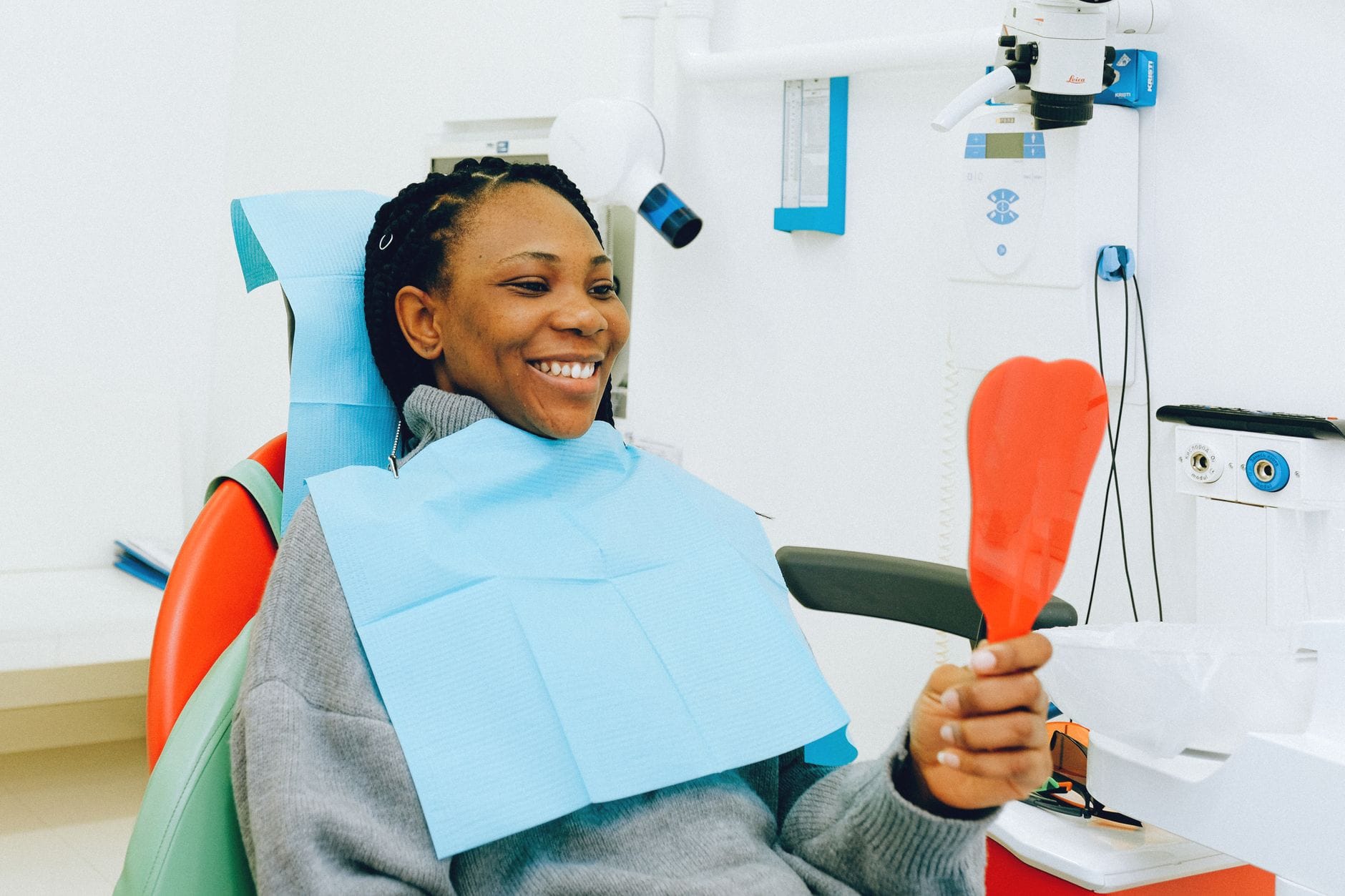
You don’t have to dislike your entire smile to consider cosmetic dentistry.
Sometimes it’s one tooth.
Maybe there’s a small chip on a front tooth that your eyes immediately find whenever someone takes a picture. Perhaps your teeth have gradually become darker after years of coffee and everyday staining. An old restoration might stand out more than it used to, or several worn edges may have slowly changed the appearance of your smile.
These concerns can seem small to other people while feeling very noticeable to you.
That’s an important point about cosmetic dentistry: treatment isn’t necessarily about completely transforming your teeth. Often, it’s about identifying the specific feature that bothers you and determining whether there is an appropriate way to improve it.
A Cosmetic Dentist Worcester patients consult can evaluate the health of their teeth, understand what they’d like to change, and explain treatment possibilities based on their individual situation.
Here are seven common smile concerns that may lead people to explore cosmetic dental care.
1. Stained or Discolored Teeth
Tooth color naturally changes over time.
For many adults, the difference happens so gradually that they don’t notice it until they compare an older photograph with a recent one.
Coffee, tea, tobacco, certain foods, aging, and other factors can influence how teeth look.
The result may be a smile that appears darker, more yellow, or less bright than you’d like.
When Professional Whitening May Help
Professional teeth whitening may be an option for certain types of discoloration.
Before recommending whitening, your dentist should evaluate your teeth and understand what type of color change you’re experiencing.
Not every form of discoloration responds in exactly the same way.
Your existing dental work matters too.
What About Crowns and Fillings?
This is something patients sometimes discover only after deciding they want whiter teeth.
Dental restorations such as crowns, veneers, fillings, and bonding generally don’t respond to whitening the same way natural enamel does.
If you have visible restorations, your dentist should consider them when discussing your desired tooth shade.
For example, dramatically whitening the natural teeth around an existing front crown could potentially make the color difference more noticeable.
Planning comes first.
2. A Chipped Front Tooth
A small chip can change the appearance of an otherwise healthy-looking smile.
Because the front teeth are highly visible, even minor differences in their edges may attract your attention.
Chips can occur for different reasons, including accidents, biting something hard, or gradual wear.
If you notice a new chip, it’s important to have the tooth evaluated rather than assuming the concern is purely cosmetic.
Cosmetic Options Depend on the Tooth
Depending on the extent and location of the chip, different treatments may be considered.
For certain small cosmetic concerns, dental bonding may be an option.
Tooth-colored material can be applied and carefully shaped to restore a more balanced appearance.
Other situations may require a different approach.
That’s why the first step isn’t choosing a procedure.
It’s determining how much tooth structure has been affected and what treatment is appropriate.
3. Small Gaps Between Teeth
Some people love the character that a gap gives their smile.
Others have wanted to change theirs for years.
Neither preference is wrong.
Cosmetic dentistry is personal.
If a gap bothers you, your dentist can evaluate the spacing and discuss whether cosmetic treatment may be appropriate.
Dental Bonding for Selected Spacing Concerns
In certain cases, bonding may be used to modify the shape of neighboring teeth and visually reduce a small space.
However, this doesn’t mean bonding is appropriate for every gap.
The size of the space, tooth proportions, bite, alignment, and other factors can influence treatment recommendations.
Larger or more complex spacing concerns may require a different approach.
Think About Proportions
Closing a space isn’t simply about filling the empty area.
The final teeth should still look proportionate.
If too much material is added without considering shape and width, the teeth may look unnatural.
Cosmetic planning should consider the entire visible smile.
4. Uneven Tooth Shapes or Edges
Natural teeth aren’t perfectly identical.
In fact, small differences are part of what makes smiles look individual.
But sometimes one tooth differs enough that it becomes distracting.
Perhaps:
- One front tooth appears slightly longer.
- One edge is uneven.
- A tooth has an unusual shape.
- Several teeth have small chips.
- Wear has changed the original contours.
Depending on the cause, cosmetic dentistry may offer options.
Small Adjustments Can Matter
You don’t always need to change several teeth.
If one tooth is creating most of the imbalance, focusing on that specific area may be enough.
Possible approaches can vary depending on the tooth and clinical situation.
Bonding may be considered for certain shape concerns, while veneers or other treatments may be discussed when more significant changes are desired.
The important thing is to avoid assuming that more treatment automatically means a better result.
5. Worn-Looking Teeth
Tooth wear can gradually change the character of a smile.
Front teeth that once looked longer may begin to appear shorter.
Edges may become flatter.
Small chips may develop.
The smile can eventually look different even though there wasn’t one specific moment when the change happened.
Before discussing cosmetic correction, your dentist should consider why the teeth are wearing.
What Can Cause Tooth Wear?
Different factors may contribute.
For some patients, grinding or clenching may play a role.
Other habits, bite-related forces, or patterns of use may also influence wear.
This is why restoring appearance without investigating the cause can be incomplete.
If you frequently grind or clench your teeth, simply improving the shape without considering those forces may leave an important part of the problem unaddressed.
Restoring Worn Teeth
Treatment depends on how much wear has occurred and the condition of the teeth.
Depending on the individual case, your dentist may discuss bonding, crowns, veneers, or other appropriate options.
Some patients may only need selected areas addressed.
Others may require a more comprehensive evaluation.
A Cosmetic Dentist Worcester should consider both appearance and function when discussing worn teeth.
6. Older Dental Work That No Longer Blends In
Dental work doesn’t exist separately from the rest of your smile.
Over time, natural teeth may change in color while restorations remain relatively stable.
An older filling may become more noticeable.
A crown that once blended well might stand out compared with neighboring teeth.
You may also become more aware of dental work simply because your cosmetic preferences have changed.
Does Old Dental Work Automatically Need Replacement?
No.
Age alone isn’t necessarily a reason to replace a restoration.
Your dentist should evaluate its condition and function first.
If a filling or crown is still clinically acceptable but you’re concerned about its appearance, you can discuss the cosmetic considerations.
Don’t assume every older restoration must be replaced simply because you’re considering cosmetic dentistry.
Look at the Whole Smile
If you’re planning whitening while also considering changes to visible restorations, treatment order may matter.
For example, your dentist may want to consider your desired final tooth shade when planning the appearance of future visible restorations.
This is another reason cosmetic treatment benefits from a coordinated plan rather than isolated procedures.
7. Multiple Small Concerns at the Same Time
Sometimes there isn’t one major problem.
Instead, several small details have accumulated.
You may have:
- Mild discoloration
- One chipped edge
- Slight tooth wear
- A small gap
- An older visible restoration
- Minor differences in tooth shape
Individually, none may seem significant.
Together, they can affect how you feel about your smile.
This is where a cosmetic consultation can be particularly helpful.
You May Not Need to Treat Everything
List the things that bother you in order of importance.
Ask yourself:
“If I could change only one thing, what would it be?”
Then:
“What would be second?”
You may discover that addressing your top one or two concerns gives you the improvement you wanted.
A smile makeover doesn’t automatically mean treating every visible tooth.
How Dentists Decide Which Treatment Makes Sense
Two patients can have similar cosmetic concerns and receive different recommendations.
Why?
Because treatment isn’t based only on what the problem looks like.
Your dentist may also need to consider:
- Current oral health
- Natural tooth structure
- Gum health
- Existing restorations
- Bite
- Tooth position
- Amount of wear
- Grinding or clenching
- Desired level of change
- Long-term maintenance
Cosmetic dentistry should be personalized rather than chosen from a menu.
Oral Health Comes Before Cosmetic Treatment
Imagine you’re concerned about a discolored tooth.
During your evaluation, your dentist discovers that the tooth also has a dental problem requiring treatment.
The priority changes.
The underlying health concern needs to be understood before appearance becomes the main focus.
The same principle applies to gums.
If your gums are unhealthy, addressing gum health may be important before moving forward with elective cosmetic procedures.
Why This Approach Matters
Cosmetic treatment should be built on a healthy foundation whenever possible.
That can mean addressing:
- Decay
- Gum concerns
- Damaged teeth
- Failing restorations
- Other active dental problems
before elective aesthetic changes.
This isn’t about delaying your cosmetic goals.
It’s about planning them responsibly.
Which Cosmetic Treatment Is Best?
There isn’t one “best” cosmetic dental treatment.
There is only the treatment—or combination of treatments—that makes sense for your specific concern.
For example:
If your primary concern is discoloration:
Whitening may be discussed.
If your primary concern is a small chip:
Bonding may be considered in certain cases.
If you’re concerned about several aspects of tooth shape and appearance:
Veneers or another treatment approach may be discussed.
If a tooth also needs structural restoration:
A crown or another restorative option may be more appropriate.
The key word is “may.”
You need an examination before deciding.
Can You Combine Cosmetic Treatments?
Yes, some cosmetic treatment plans may involve more than one procedure.
But combining treatments should have a purpose.
For example, if a patient wants brighter teeth and also wants to address one chipped front tooth, treatment planning may consider both color and shape.
The sequence can matter because the final appearance of one treatment may influence another.
Treatment Can Also Be Phased
You don’t always have to complete everything immediately.
A staged approach may allow you to:
- Address oral health needs.
- Improve tooth color if appropriate.
- Reassess the smile.
- Address remaining shape or restoration concerns.
- Maintain the final result.
After one stage, you may decide you’re satisfied and don’t want additional cosmetic treatment.
That’s completely valid.
Cosmetic Dentistry Should Match Your Goals
One person may want a dramatic transformation.
Another may want nobody to know they’ve had dental work.
Both patients are asking for cosmetic dentistry, but their goals are very different.
Tell your dentist how much change you want.
You might say:
“I want this tooth to blend with the others.”
“I want a brighter smile, but nothing extremely white.”
“I want to correct the chip without changing the rest of my teeth.”
“I’d like to explore a bigger change.”
Clear expectations help guide the conversation.
Don’t Let a Photo Choose Your Treatment
Before-and-after photos can be useful for understanding possibilities.
But remember that another person’s result doesn’t determine what’s appropriate for you.
Your tooth structure, facial features, gumline, dental history, bite, and goals are different.
Photos can help communicate preferences.
They shouldn’t replace personalized treatment planning.
Questions to Ask at Your Cosmetic Consultation
If you’re meeting with a Cosmetic Dentist Worcester, consider bringing questions such as:
- What is causing the issue I’m noticing?
- Is this purely cosmetic, or is there also a dental health concern?
- What are my treatment options?
- Is there a conservative option?
- What results can I realistically expect?
- Will surrounding teeth need treatment too?
- How will the final result blend with my natural teeth?
- What maintenance will be required?
- Can treatment be completed in stages?
- Are there habits I should address before treatment?
The goal is to leave your consultation understanding your options—not simply knowing the name of a procedure.
How to Protect Cosmetic Dental Results
Once you’ve improved your smile, everyday habits matter.
Depending on your treatment, your dentist may recommend specific maintenance.
General habits may include:
- Brushing consistently
- Cleaning between teeth
- Keeping recommended dental visits
- Avoiding chewing ice
- Not using teeth as tools
- Being mindful of staining habits
- Discussing grinding or clenching
- Following instructions for your specific treatment
No cosmetic treatment eliminates the need for preventive care.
Your natural teeth, gums, and dental work still need ongoing attention.
When Should You Consider Cosmetic Dentistry?
There isn’t a particular age or event when cosmetic dentistry suddenly becomes appropriate.
You might consider a consultation when something about your smile has been bothering you and you’d like to understand your options.
Some people seek treatment before:
- Weddings
- Graduations
- Reunions
- Professional photographs
- Important celebrations
Others simply decide they’re ready to make a change for themselves.
You don’t need a special occasion.
Start With the One Thing You Want to Change
Cosmetic dentistry can feel overwhelming when you begin researching everything that’s possible.
Whitening.
Bonding.
Veneers.
Crowns.
Smile makeovers.
Instead of trying to decide which procedure you need, start with something much simpler:
What bothers you?
That’s the conversation worth having.
At Unique Dental of Worcester, cosmetic treatment planning can begin by evaluating your oral health and understanding exactly what you’d like to improve.
Whether you’re concerned about discoloration, a chipped tooth, gaps, worn edges, uneven shapes, or older dental work, there may be several ways to approach your goals.
If you’re looking for a Cosmetic Dentist Worcester, you don’t have to decide on treatment before scheduling your appointment.
Bring your questions.
Bring your concerns.
Bring an idea of how you’d like your smile to feel different.
Then let a professional evaluation help determine the next step.