
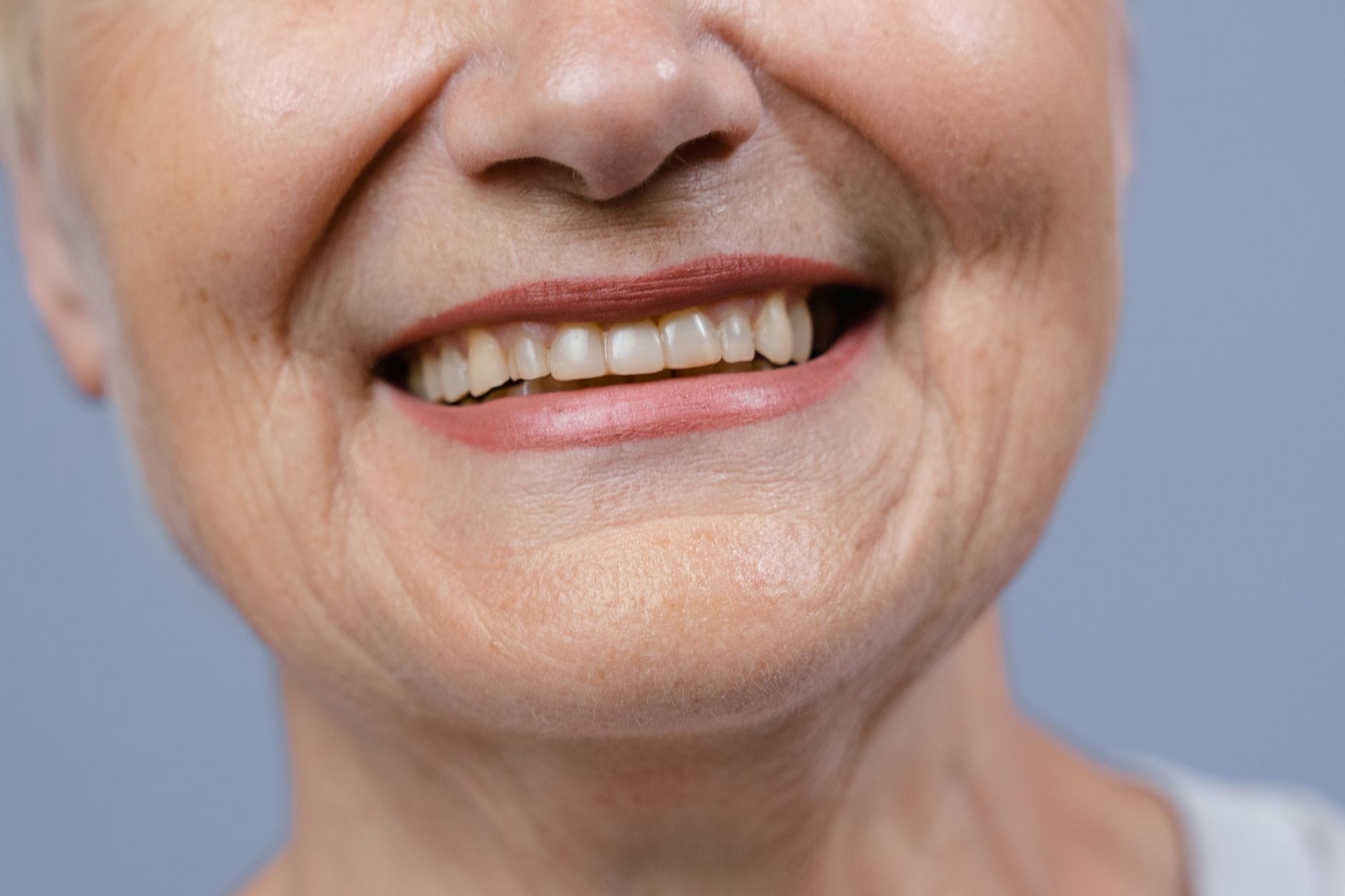
Your smile doesn’t suddenly become different when you reach a certain age.
The changes usually happen slowly.
A little more staining from years of coffee. A front tooth becomes slightly shorter from wear. The edges don’t look quite as even as they once did. A crown that blended beautifully years ago becomes easier to notice. Small chips appear, and the overall brightness of your smile gradually changes.
Then one day, you see an older photograph and realize just how different your teeth look.
This doesn’t mean there’s anything “wrong” with having a mature smile. Teeth naturally experience years of eating, drinking, speaking, smiling, and everyday use.
But if some of those changes bother you, cosmetic dentistry may offer options.
Working with a Cosmetic Dentist Worcester can help you understand which changes are cosmetic, whether there are underlying dental concerns, and what treatments may be appropriate if you’d like to refresh your smile.
The goal doesn’t have to be looking dramatically younger or creating perfectly uniform teeth.
For many adults, the goal is much simpler:
“I want my smile to look healthier and fresher while still looking like me.”
Why Does Your Smile Change Over Time?
Your teeth work hard.
Think about how many meals you’ve eaten over the last ten, twenty, or thirty years.
How many cups of coffee?
How many times have your teeth come together while chewing?
How many restorations have been placed and maintained?
Your smile reflects your history.
Several factors can influence its appearance over time.
Common Changes May Include
- Tooth discoloration
- Surface staining
- Tooth wear
- Small chips
- Uneven edges
- Changes in tooth shape
- Older visible restorations
- Changes in gum appearance
- Changes in spacing
- Loss of some of the brightness associated with younger teeth
These changes don’t automatically require treatment.
Cosmetic dentistry is optional unless there is also a dental health or functional problem.
The question is whether something bothers you enough that you’d like to explore your options.
1. Tooth Discoloration Can Make a Smile Look Different
Color is often one of the first things people notice about their own aging smile.
Natural teeth aren’t pure white to begin with, and their appearance can change gradually.
Coffee, tea, tobacco, certain foods, and everyday staining can all influence tooth color.
Age-related changes may also affect how teeth appear.
Professional Whitening May Be an Option
If staining or general discoloration is your primary concern, professional teeth whitening may be worth discussing.
Your dentist can evaluate your teeth and determine whether the type of discoloration you’re experiencing may respond to whitening.
This is important because not all discoloration behaves the same way.
You Don’t Need the Brightest Shade
A common misconception is that successful whitening means making teeth as white as possible.
It doesn’t.
If your goal is a refreshed, natural-looking smile, a more moderate improvement may better suit your preferences.
Tell your dentist what you’re looking for.
You might say:
“I’d like my teeth brighter, but I don’t want them to look unnatural.”
That’s useful information when discussing cosmetic goals.
2. Older Dental Work May Become More Noticeable
A restoration that looked excellent fifteen years ago may look different today.
That doesn’t automatically mean anything is wrong with it.
Your surrounding natural teeth may have changed color while the restoration remained relatively stable.
Or your cosmetic preferences may simply be different now.
Visible dental work can include:
- Tooth-colored fillings
- Dental bonding
- Crowns
- Veneers
- Other restorations
Should Old Restorations Be Replaced?
Not simply because they’re old.
Your dentist should first evaluate their condition and function.
If a restoration is functioning appropriately but its appearance bothers you, you can discuss whether cosmetic modification or replacement is reasonable.
Don’t assume that every older filling or crown needs to be replaced during a cosmetic makeover.
Treatment should have a clear purpose.
3. Worn Tooth Edges Can Change Your Smile
Tooth wear is another gradual change.
You may begin noticing that your front teeth don’t look as long as they once did.
Their edges may become flatter or more uneven.
Small chips may appear.
These subtle changes can influence the proportions of your smile.
Why Are the Teeth Wearing?
Before focusing on appearance, this question matters.
Some people grind or clench their teeth.
Others may have habits or bite-related factors that contribute to wear.
If the underlying cause isn’t considered, simply restoring the shape may not address the complete issue.
A Cosmetic Dentist Worcester should evaluate why the teeth look worn before discussing ways to change their appearance.
4. Small Chips Can Accumulate
One tiny chip might not bother you.
Then another appears.
Years later, several front teeth have slightly uneven edges.
Individually, each change may be minor. Together, they can make the smile appear less balanced.
Depending on the extent and cause of the damage, your dentist may discuss different treatment possibilities.
Dental Bonding
For certain small cosmetic concerns, bonding may be considered.
Tooth-colored material can be applied and shaped to modify areas such as minor chips or uneven edges.
However, bonding isn’t automatically appropriate for every worn or chipped tooth.
Your dentist needs to consider:
- Amount of damage
- Location
- Bite forces
- Remaining tooth structure
- Grinding or clenching
- Overall treatment goals
Sometimes a different restorative or cosmetic approach makes more sense.
5. Teeth May Begin to Look Uneven
Your teeth don’t need to be identical to look attractive.
Natural smiles contain variation.
But wear, chips, previous dental treatment, or other changes can sometimes create noticeable differences in tooth length or shape.
If one tooth has become significantly shorter than the tooth beside it, for example, your eyes may naturally be drawn to the difference.
Cosmetic treatment can sometimes focus on restoring balance rather than redesigning the entire smile.
One Tooth Can Make a Difference
You may not need ten teeth treated.
Sometimes one or two teeth are responsible for most of the cosmetic concern.
This is why a personalized evaluation is valuable.
Ask:
“Which part of my smile is actually creating the imbalance I’m seeing?”
The answer may be simpler than you expect.
6. Your Gums Also Influence How Your Smile Looks
Teeth receive most of the attention in cosmetic dentistry, but gums frame the smile.
Changes in gum health or position can influence the appearance of your teeth.
If you notice changes in your gums, particularly persistent bleeding, swelling, tenderness, or other concerns, don’t assume the issue is only cosmetic.
Have your gums evaluated.
Healthy Gums Come First
If there is an active gum health concern, your dentist may recommend addressing it before elective cosmetic procedures.
Creating a refreshed smile isn’t simply about changing visible tooth surfaces.
Oral health remains the foundation.
7. Tooth Shape Can Change With Wear
When people say their smile “looks older,” they sometimes struggle to explain exactly what they mean.
Shape may be part of the answer.
Years of wear can change tooth contours.
Edges may become flatter.
Small irregularities can develop.
A tooth that once had a certain proportion may look shorter.
These differences can subtly affect the overall character of your smile.
Cosmetic Treatment Should Respect Your Natural Features
You don’t necessarily want to recreate the exact teeth you had at eighteen.
Your smile should still fit your current face and preferences.
The objective can be to restore some balance and freshness without creating something that feels disconnected from you.
8. Cosmetic Dentistry Can Be Conservative
The phrase “smile makeover” can sound dramatic.
People sometimes imagine every visible tooth being completely changed.
That isn’t always necessary.
Cosmetic dentistry can range from relatively small changes to comprehensive treatment plans.
A conservative plan might focus on:
- Whitening
- Repairing a small chip
- Improving one uneven edge
- Addressing a visible restoration
- Modifying selected teeth
You may be surprised by how much one carefully chosen improvement changes the way you see your smile.
9. Dental Bonding May Help With Selected Changes
Bonding can be useful in certain cosmetic situations because tooth-colored material can be shaped to modify selected areas.
Depending on the individual case, it may be considered for:
- Small chips
- Minor shape differences
- Uneven edges
- Selected spacing concerns
Bonding has limitations, however.
The material still experiences everyday forces, and its suitability depends on where it’s being placed and what you’re asking it to accomplish.
Ask your dentist about expected maintenance and whether another treatment might be more appropriate for your specific concern.
10. Veneers May Be Considered for Broader Cosmetic Concerns
Some patients want to change several characteristics of visible teeth simultaneously.
They may be concerned about a combination of:
- Shape
- Color
- Proportions
- Chips
- Wear
- Small spacing issues
Dental veneers may be discussed in selected cases.
A veneer covers the visible front surface of a tooth and can modify its appearance.
Veneers Aren’t an Automatic Upgrade
You don’t need veneers simply because you’re older or because your teeth have changed.
They are one treatment option among several.
Ask whether your goals could be accomplished through a more conservative approach before committing to broader treatment.
The right recommendation depends on your teeth—not a trend.
11. Crowns Can Restore Teeth While Considering Appearance
Sometimes a tooth has both structural and cosmetic concerns.
Perhaps it already has extensive dental work.
Maybe it has been significantly damaged.
In appropriate cases, a crown may be recommended for restorative reasons while also being designed to fit naturally within the visible smile.
This is an example of cosmetic and restorative dentistry working together.
Health, strength, function, and appearance all matter.
12. A Mature Smile Doesn’t Need to Look Artificial
One of the biggest concerns adults have about cosmetic dentistry is:
“I don’t want fake-looking teeth.”
That’s a reasonable concern.
A cosmetic result should reflect your preferences.
If you want subtle treatment, say so.
What Can Make a Smile Look More Natural?
Your dentist may consider factors such as:
- Tooth proportions
- Shape
- Shade
- Relationship between teeth
- Gumline
- Existing tooth structure
- Overall smile balance
The goal isn’t necessarily perfect symmetry.
Natural teeth have character.
13. You Can Keep the Features You Like
Cosmetic dentistry doesn’t require eliminating everything distinctive about your smile.
Perhaps you like the general shape of your teeth.
Maybe you like a small gap but dislike the discoloration.
You may want to keep the natural variation in your tooth edges while repairing one obvious chip.
Tell your dentist what you don’t want to change.
That’s just as important as explaining what you do want to change.
14. Start With Your Biggest Concern
If several things bother you, cosmetic dentistry can become overwhelming.
Make a list.
Then rank it.
For example:
- Tooth color
- Chipped front tooth
- Older visible crown
- Uneven edges
- Small gap
Now ask yourself:
“If the first two things were improved, would I still care about the rest?”
You might discover that your ideal treatment plan is smaller than you initially thought.
15. Treatment Can Happen in Stages
You don’t always need to complete a full cosmetic plan at once.
Depending on your needs, your dentist may discuss a phased approach.
That might look something like:
Phase One: Oral Health
Address active dental or gum concerns.
Phase Two: Color
If appropriate, consider professional whitening.
Phase Three: Reevaluate
Look at the smile again after the initial improvements.
Phase Four: Shape or Restorations
Consider remaining concerns involving chips, tooth shape, or visible dental work.
Phase Five: Maintenance
Protect your teeth and cosmetic treatment through ongoing care.
The actual sequence will depend on your situation.
16. Your Bite and Habits Still Matter
Cosmetic dentistry isn’t only visual.
Teeth need to function.
If you grind your teeth, clench your jaw, chew ice, bite pens, or use your teeth to open packages, tell your dentist.
These habits can influence treatment planning and long-term maintenance.
Don’t Hide Grinding or Clenching
If your teeth have become shorter or repeatedly chipped, understanding the cause is important.
Improving appearance without considering the forces acting on your teeth may leave an important issue unresolved.
17. Cosmetic Dentistry Won’t Stop Natural Aging
This is an important expectation to understand.
Cosmetic dental treatment doesn’t freeze your smile in time.
Your natural teeth will continue to experience everyday use.
Staining can return.
Dental work can require future maintenance.
Your gums and surrounding teeth can change.
That’s why long-term care should be discussed before treatment.
18. How to Maintain a Refreshed Smile
Your dentist may give specific instructions depending on your treatment.
In general, maintaining oral health remains essential.
That includes:
- Brushing consistently
- Cleaning between teeth
- Attending recommended dental visits
- Avoiding using teeth as tools
- Being careful with very hard objects
- Discussing grinding or clenching
- Following treatment-specific recommendations
If whitening is part of your treatment, your dentist can also discuss how future staining and maintenance may be managed.
19. Questions to Ask Before Refreshing Your Smile
When meeting with a Cosmetic Dentist Worcester, ask questions that help you understand both your current smile and your options.
Consider asking:
- Which changes are cosmetic and which involve oral health?
- Why have my teeth changed appearance?
- What is the most conservative way to improve my main concern?
- Would whitening be appropriate for me?
- How will my existing crowns or fillings affect the plan?
- What options are available for worn or chipped teeth?
- Do I show signs of grinding or clenching?
- Can treatment be completed in stages?
- What results can I realistically expect?
- What maintenance will I need afterward?
These questions can help turn a general desire to “look better” into a practical treatment conversation.
20. Don’t Compare Your Smile to Someone 20 Years Younger
Cosmetic treatment should enhance your smile—not make you chase an unrealistic comparison.
Your face changes over time.
So does your style.
The smile that fits you today doesn’t need to look exactly like your smile from decades ago.
And it certainly doesn’t need to match someone else’s.
Instead, think in terms of refreshing.
Brighter.
More balanced.
Healthier-looking.
Less worn.
More comfortable to share.
Those can be much more useful goals than trying to recreate a specific age.
When Is the Right Time to Consider Cosmetic Dentistry?
There is no “correct” age.
If something about your smile bothers you, you can ask about it.
A consultation doesn’t commit you to treatment.
It gives you information.
You might discover that a relatively small change could address your concern.
You may learn that dental health treatment should come first.
Or you may decide you’re perfectly comfortable leaving your smile exactly as it is.
All three outcomes are valid.
Your Smile Can Evolve Without Losing Its Character
A changing smile is a normal part of life.
Years of meals, conversations, celebrations, coffee breaks, family photographs, and everyday living leave their mark.
Cosmetic dentistry doesn’t have to erase that history.
Instead, it can focus on the specific changes that bother you while preserving the features that still feel like you.
At Unique Dental of Worcester, cosmetic treatment can begin with a careful evaluation of your oral health and a conversation about what you want to improve.
Maybe it’s discoloration.
Maybe it’s a chipped edge.
Maybe it’s an older restoration.
Or perhaps several subtle changes have gradually made your smile feel different.
If you’re searching for a Cosmetic Dentist Worcester, start by identifying the one feature you’d most like to change. From there, your dentist can explain appropriate treatment possibilities, conservative alternatives, realistic expectations, and long-term maintenance.
You don’t need a completely different smile.
Sometimes you simply want yours to feel refreshed.