
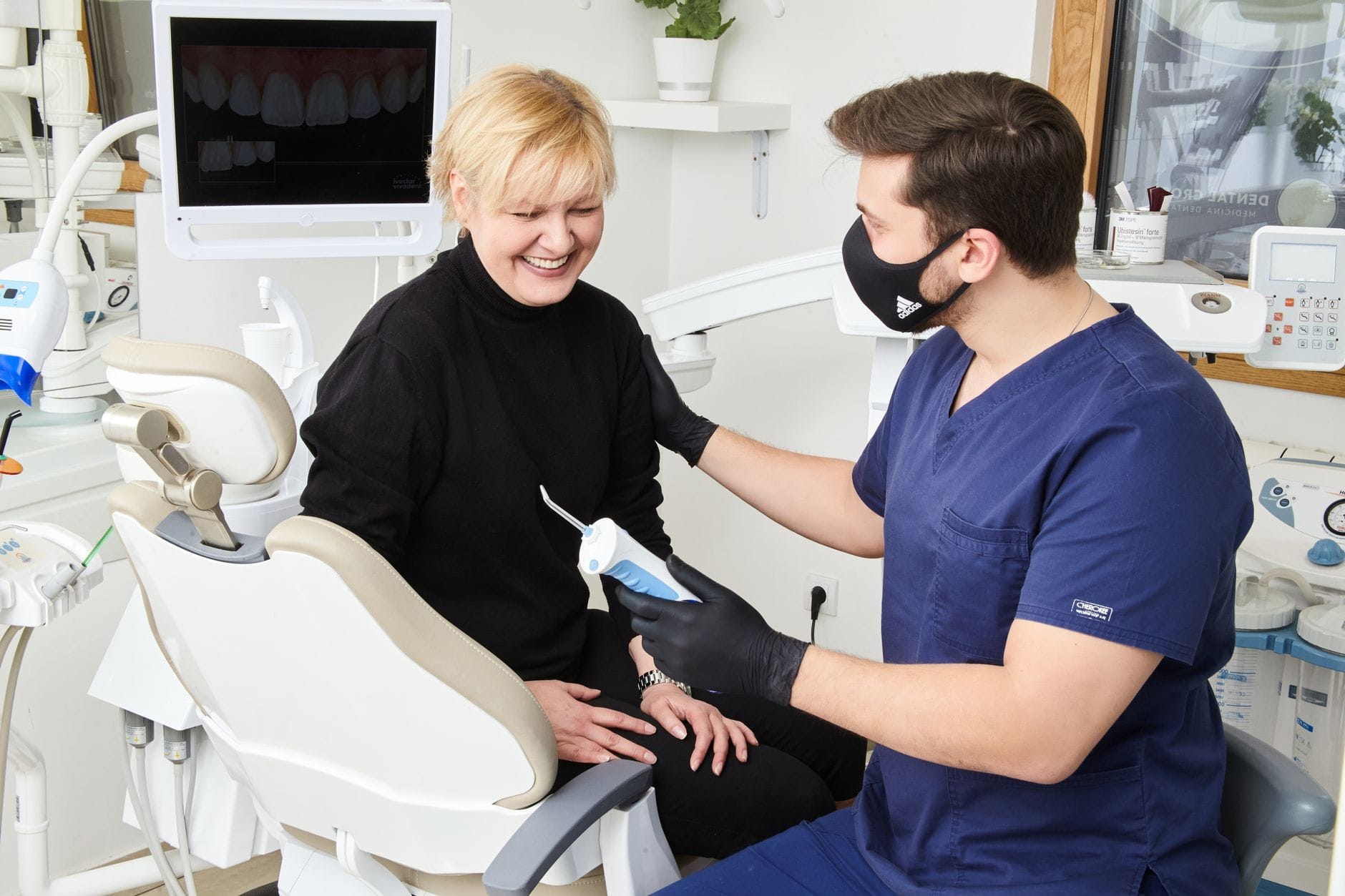
Your smile is one of those things you probably don’t think about much—until something starts bothering you.
Maybe your teeth aren’t as bright as they once were. Perhaps there’s a small chip you notice in every photograph. You might have an uneven tooth, a gap you’ve thought about changing for years, or older dental work that no longer blends naturally with your smile.
Sometimes there isn’t one specific problem at all. You simply look in the mirror and feel that your smile doesn’t reflect how you’d like to present yourself.
That’s where cosmetic dentistry comes in.
Modern cosmetic dental care isn’t simply about creating dramatically white or perfectly identical teeth. Good cosmetic dentistry should begin with your oral health, listen to what you actually want to change, and find an approach that complements your natural smile.
If you’re searching for a Cosmetic Dentist Worcester, understanding your options before your consultation can help you ask better questions and make more informed decisions.
This guide walks through what cosmetic dentistry involves, common treatments, how treatment planning works, and what you should consider before making changes to your smile.
What Is Cosmetic Dentistry?
Cosmetic dentistry focuses primarily on improving the appearance of your teeth and smile.
Depending on the patient, that may involve changing:
- Tooth color
- Tooth shape
- Tooth size
- Visible chips
- Small gaps
- Uneven edges
- Worn-looking teeth
- Certain visible restorations
- Overall smile balance
However, cosmetic and restorative dentistry sometimes overlap.
For example, a crown may be needed to restore a damaged tooth while also improving its visible appearance. Dental bonding may repair a small chip while making the tooth look more even.
That’s why cosmetic dentistry shouldn’t be approached as appearance alone.
The condition and function of your teeth still matter.
Cosmetic Dentistry Should Begin With Oral Health
Before choosing a cosmetic procedure, your dentist needs to understand what’s happening beneath the surface.
Imagine repainting a wall while ignoring water damage behind it.
The new color may look great temporarily, but the underlying problem remains.
Dentistry works similarly.
If you have untreated decay, gum concerns, damaged teeth, or another oral health problem, those issues may need attention before elective cosmetic treatment begins.
Your Evaluation May Include
Depending on your individual situation, your dentist may evaluate:
- Teeth
- Gums
- Existing fillings and crowns
- Bite
- Tooth wear
- Areas of damage
- Previous dental treatment
- Overall oral health
The objective is to create a healthy foundation for whatever cosmetic changes you may be considering.
Start With the Problem, Not the Procedure
Social media has made cosmetic dental treatments more visible than ever.
Patients see veneers, whitening, bonding, and complete smile transformations every day.
That awareness can be useful, but it can also encourage people to choose a treatment before understanding their actual dental concern.
Instead of walking into your consultation saying:
“I need veneers.”
Try saying:
“I don’t like the shape and color of these teeth. What could improve them?”
That small change creates a much better starting point.
Why This Matters
Different treatments can sometimes address similar concerns.
A patient bothered by one chipped tooth may need a very different solution from someone with widespread tooth wear.
Someone concerned about discoloration may have several possible options depending on the type of staining and whether visible restorations are present.
Let the goal guide the treatment—not the latest online trend.
Professional Teeth Whitening
Tooth discoloration is one of the most common cosmetic concerns.
Teeth can become darker or more stained over time for many reasons.
Coffee, tea, certain foods, tobacco use, aging, and other factors can influence tooth color.
Professional whitening may be an option for patients who want a brighter smile.
Is Whitening Right for Everyone?
Not necessarily.
Before whitening, your dentist should evaluate your teeth and discuss the type of discoloration you’re experiencing.
It’s also important to understand that crowns, fillings, veneers, and other restorations generally don’t respond to whitening the same way natural tooth enamel does.
If you have visible dental work, that may influence the overall treatment plan.
Natural-Looking Whitening
A good whitening result doesn’t have to mean choosing the brightest possible shade.
Many patients simply want their smile to look fresher and less stained.
The goal should complement your natural features rather than create an artificial appearance.
Dental Bonding for Small Cosmetic Changes
Sometimes a tiny detail can have a surprisingly large effect on how you see your smile.
A small chip.
One uneven edge.
A slight gap.
A tooth that looks a little different from the one beside it.
Dental bonding may be considered for certain minor cosmetic concerns.
Tooth-colored material can be applied and shaped to modify the appearance of selected areas.
Bonding May Be Considered For
Depending on the clinical situation:
- Small chips
- Minor gaps
- Uneven tooth edges
- Certain shape differences
- Small cosmetic imperfections
Bonding isn’t appropriate for every tooth or every cosmetic problem.
Factors such as bite forces, the amount of tooth structure involved, and the location of the concern can affect whether it makes sense.
Dental Veneers
Veneers are one of the most recognizable cosmetic dental treatments, largely because they’re frequently featured in smile makeover content online.
A veneer covers the visible front surface of a tooth and may be used in selected situations to modify its appearance.
Depending on the patient, veneers may be considered for concerns involving:
- Tooth shape
- Tooth proportions
- Certain discoloration
- Chips
- Visible wear
- Small spacing concerns
- Multiple cosmetic issues affecting the same teeth
Veneers Should Be Personalized
The goal shouldn’t be to make every patient’s teeth look identical.
Faces are different.
Smiles are different.
Personal preferences are different.
Some patients prefer very bright, uniform teeth. Others want subtle changes that friends and family may notice without immediately identifying dental work.
Tell your dentist what “natural” means to you.
Dental Crowns and Cosmetic Appearance
Crowns are generally associated with restorative dentistry because they’re used to restore teeth in appropriate clinical situations.
But when a crown is placed on a visible tooth, appearance naturally matters too.
Your dentist may consider factors such as:
- Shape
- Size
- Color
- Position
- Relationship with neighboring teeth
This is where restorative and cosmetic dentistry can work together.
The tooth may need structural treatment while the final restoration is also designed to fit naturally into your smile.
What Is a Smile Makeover?
“Smile makeover” sounds like one procedure, but it isn’t.
It’s a general term for a treatment plan involving one or more procedures intended to improve the appearance of the smile.
For one patient, a smile makeover could be relatively simple.
For another, it may involve several stages.
A Smile Makeover Might Address
- Tooth color
- Tooth shape
- Chips
- Uneven edges
- Tooth wear
- Visible restorations
- Spacing
- Overall smile balance
The important thing is that the treatment plan should be based on your individual needs.
You don’t automatically need multiple procedures simply because you’re interested in improving your smile.
How Much of Your Smile Should You Change?
This is an important question.
Many patients begin cosmetic dentistry assuming that everything needs to be changed.
Often, it doesn’t.
Perhaps one tooth is creating most of the visual imbalance.
Maybe whitening would give you the improvement you want without changing tooth shape.
Or a small repair could make the smile feel significantly more balanced.
Conservative Dentistry Can Be Powerful
Ask your dentist:
“What’s the most conservative option that could achieve my goal?”
This question can help you understand whether a smaller treatment might be appropriate before considering something more comprehensive.
Good cosmetic dentistry isn’t measured by how much dentistry is performed.
It’s measured by whether the treatment is appropriate for the patient’s needs and goals.
What Makes a Cosmetic Smile Look Natural?
Natural-looking cosmetic dentistry requires more than choosing a tooth color.
Your smile is a combination of many details.
These may include:
- Tooth proportions
- Shape
- Alignment
- Surface characteristics
- Shade
- Gum appearance
- Relationship between neighboring teeth
- Overall symmetry
Perfect symmetry isn’t always necessary.
In fact, subtle variation is part of what makes natural teeth look natural.
The goal should be harmony rather than artificial perfection.
Avoid Designing Your Smile Around Social Media
Social media can provide inspiration, but it shouldn’t become your treatment plan.
Photographs online may involve:
- Professional lighting
- Filters
- Editing
- Specific camera angles
- Makeup
- Temporary cosmetic effects
- Different facial proportions
A smile that looks attractive on another person may not be the smile you would choose for yourself.
Use inspiration photos to explain preferences, not to request an exact copy.
A skilled Cosmetic Dentist Worcester should consider your individual features rather than reproducing someone else’s smile.
What Happens During a Cosmetic Consultation?
You don’t need to know exactly what treatment you want before scheduling a consultation.
In fact, uncertainty is completely normal.
Your first conversation should focus on your concerns and goals.
Step 1: Explain What Bothers You
Be specific.
Instead of saying:
“I hate my smile.”
Try:
“I don’t like the discoloration.”
“This tooth looks shorter.”
“I always notice this chip in photos.”
“My old dental work is visible.”
Specific concerns make treatment planning easier.
Step 2: Have Your Oral Health Evaluated
Your dentist needs to understand the condition of your teeth and gums.
Any necessary oral health treatment may need to be discussed before cosmetic procedures.
Step 3: Review Possible Options
There may be one obvious treatment or several alternatives.
Ask your dentist to explain the advantages, limitations, maintenance needs, and long-term considerations associated with each option.
Step 4: Discuss Your Timeline
Are you improving your smile for yourself?
Do you have an upcoming wedding?
A graduation?
A professional event?
Knowing your timeline can help determine which options are realistic.
Step 5: Create a Personalized Plan
You may decide to complete treatment at once or approach your goals in stages.
A treatment plan should reflect your priorities rather than making you feel pressured to change everything immediately.
Questions to Ask Your Cosmetic Dentist
Before agreeing to treatment, make sure you understand what is being recommended.
Consider asking:
- What treatment options could address my concern?
- Which option is the most conservative?
- What results can I realistically expect?
- How will the result fit my natural smile?
- Will any natural tooth structure need to be altered?
- What maintenance will the treatment require?
- How long is treatment expected to take?
- Are there oral health concerns I should address first?
- What alternatives should I consider?
- How can I protect the result afterward?
A good consultation should leave you better informed.
How Long Do Cosmetic Dental Results Last?
There’s no single answer.
Different treatments have different expected lifespans and maintenance requirements.
Your habits also matter.
Factors that can influence cosmetic dental work include:
- Oral hygiene
- Diet
- Grinding or clenching
- Chewing hard objects
- Using teeth as tools
- Smoking or tobacco use
- Regular dental maintenance
- Type and location of treatment
Ask your dentist what you should realistically expect from the specific procedure you’re considering.
Protecting Your Cosmetic Dental Treatment
Once you’ve invested time and resources into your smile, maintaining it should become part of the plan.
Good habits include:
- Brushing consistently
- Cleaning between teeth
- Attending recommended dental visits
- Avoiding chewing ice
- Not using teeth to open packages
- Discussing grinding or clenching with your dentist
- Following treatment-specific instructions
Cosmetic dentistry doesn’t replace preventive care.
If anything, maintaining your oral health becomes even more important.
Cosmetic Dentistry Isn’t About Perfection
This may be the most important idea to remember.
Cosmetic dentistry doesn’t have to erase every natural characteristic from your teeth.
It doesn’t have to create a smile that looks dramatically different.
Sometimes the best result is simply feeling less distracted by the thing that bothered you.
You smile in a photograph without thinking about the chip.
You speak without worrying about discoloration.
You stop automatically hiding your teeth when you laugh.
Confidence can come from relatively subtle changes.
How to Choose a Cosmetic Dentist in Worcester
Choosing a dentist for cosmetic treatment involves more than searching for a particular procedure.
Communication and treatment philosophy matter.
When considering a Cosmetic Dentist Worcester, look for someone who:
- Listens carefully to your goals
- Evaluates oral health before cosmetic treatment
- Explains multiple options when appropriate
- Discusses realistic expectations
- Prioritizes natural-looking results
- Considers long-term maintenance
- Answers your questions clearly
- Doesn’t pressure you into unnecessary treatment
You should feel comfortable participating in the decision-making process.
After all, it’s your smile.
Your Smile Should Still Feel Like You
Cosmetic dentistry can be exciting because even relatively small changes may influence how you feel about your smile.
But the best treatment plan isn’t necessarily the biggest transformation.
It’s the one that fits your teeth, oral health, goals, lifestyle, and personal idea of what looks good.
At Unique Dental of Worcester, the process begins by understanding what you’d like to change and evaluating your current oral health before discussing appropriate options.
Whether you’re interested in improving discoloration, addressing a chipped tooth, refreshing older dental work, changing tooth shape, or exploring a more comprehensive smile makeover, professional guidance can help you understand what’s possible.
If you’ve been searching for a Cosmetic Dentist Worcester, you don’t need to arrive at your first appointment knowing exactly which procedure you want.
Start with a conversation.
Explain what you see when you look at your smile and what you wish looked different. From there, you and your dental team can explore options designed around you.