
Sometimes, it’s the smallest details that bother us most about our smiles.
A tiny chip on a front tooth. A narrow gap you’ve noticed for years. An uneven edge that makes one tooth look slightly different from the others.
These imperfections may not affect your ability to eat or speak, but they can influence how comfortable you feel when smiling in photographs or meeting new people.
The good news is that improving minor cosmetic concerns doesn’t always require extensive dental treatment.
Dental bonding is a cosmetic procedure that can repair or reshape selected areas of teeth using a tooth-colored material. For suitable patients, it offers a relatively conservative way to make noticeable improvements.
If you’re searching for a Cosmetic Dentist Worcester residents can consult about repairing chipped or uneven teeth, understanding dental bonding can help you decide whether it’s worth exploring.
What Is Dental Bonding?
Dental bonding is a procedure that uses composite resin, a tooth-colored dental material, to improve the appearance or structure of a tooth.
The material is applied, shaped, hardened, and polished to blend with the surrounding tooth.
Because composite resin is available in different shades, dentists can select a color that closely matches natural teeth.
What Makes Dental Bonding Different?
Unlike some cosmetic procedures that require laboratory-made restorations, direct dental bonding can often be completed during a single appointment.
In many cases, it also requires little or no removal of healthy enamel.
However, the amount of preparation and treatment time depends on the individual tooth and the extent of the repair.
What Dental Problems Can Bonding Fix?
Dental bonding is commonly used to address relatively minor cosmetic concerns.
1. Small Chips
A chipped front tooth can become noticeable when smiling or speaking.
Bonding may help rebuild the missing portion and restore a more natural-looking edge.
2. Minor Gaps Between Teeth
Composite resin can sometimes be added to neighboring teeth to reduce the appearance of a small gap.
Larger spacing concerns may require orthodontic evaluation.
3. Uneven Tooth Edges
Some teeth naturally appear shorter or more irregular than others.
Bonding can help adjust visible proportions without significantly altering natural tooth structure.
4. Certain Types of Discoloration
When whitening isn’t suitable for a localized cosmetic concern, bonding may help cover a small discolored area.
5. Exposed Root Surfaces
In selected situations, bonding may be used to cover exposed root surfaces or restore areas affected by wear.
Treatment depends on the cause and extent of the problem.
Who Is a Good Candidate for Dental Bonding?
Bonding works best when the underlying tooth is healthy enough to support the restoration.
Before recommending treatment, your dentist will evaluate the tooth and surrounding tissues.
Healthy Teeth and Gums
Untreated cavities or active gum disease may need attention before elective cosmetic bonding.
Minor to Moderate Cosmetic Concerns
Bonding is often appropriate for limited repairs.
Extensive damage may require a different restorative approach.
Suitable Biting Forces
Patients who frequently grind their teeth or place heavy pressure on certain teeth may face a higher risk of bonding fractures.
Realistic Expectations
Bonding can improve tooth appearance, but it doesn’t necessarily last as long as some other restorative materials.
Understanding its limitations is important.
What Happens During a Dental Bonding Appointment?
One reason patients consider bonding is that the process is often relatively straightforward.
Step 1: Dental Examination
Your dentist evaluates the tooth and discusses the desired improvement.
The examination helps determine whether bonding is appropriate.
Step 2: Shade Selection
A composite resin shade is selected to match the surrounding teeth.
Step 3: Tooth Preparation
The tooth surface may be conditioned to help the bonding material adhere.
Depending on the procedure, little or no enamel removal may be necessary.
Step 4: Applying the Composite Resin
The dentist places and shapes the resin to create the planned appearance.
Step 5: Hardening the Material
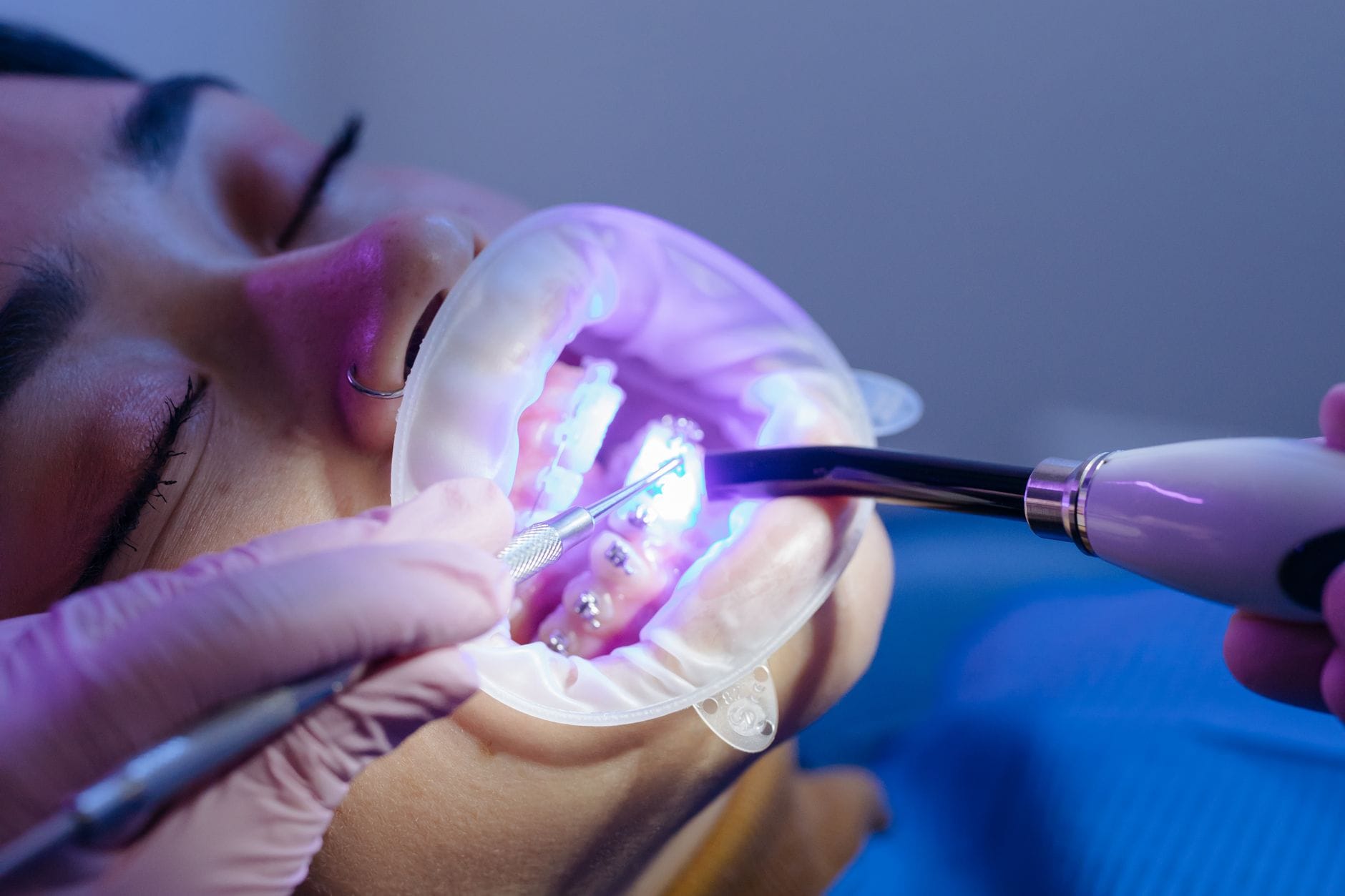
A special curing light is commonly used to harden the composite.
Step 6: Final Shaping and Polishing
The dentist adjusts the restoration and polishes it to achieve a smooth finish.
The bite is also checked to ensure the repaired tooth functions comfortably.
Does Dental Bonding Hurt?
Many direct bonding procedures require little or no anesthesia, particularly when the treatment involves only the outer tooth surface.
However, anesthesia may be necessary if the repair involves decay, sensitive areas, or more extensive tooth preparation.
Patients should discuss any concerns about discomfort before treatment.
How Long Does Dental Bonding Last?
Dental bonding is durable enough for many everyday activities, but it isn’t permanent.
Composite resin can gradually wear, stain, or chip.
Its longevity depends on several factors.
Location of the Bonding
Bonding placed on a front tooth edge may experience different forces than bonding used on another tooth surface.
Oral Habits
Nail biting, chewing ice, and using teeth to open packages can increase the risk of damage.
Teeth Grinding
Clenching and grinding may place additional pressure on bonded areas.
Oral Hygiene
Good brushing and flossing habits help protect the natural tooth structure surrounding the restoration.
Regular Dental Care
Routine examinations allow your dentist to monitor bonding and recommend maintenance when needed.
Dental Bonding vs. Porcelain Veneers
Patients often compare bonding with veneers because both treatments can improve tooth appearance.
However, they differ in several important ways.
Dental Bonding
Bonding may offer:
- A relatively conservative approach.
- Treatment that can often be completed in one visit.
- The ability to repair certain small chips or gaps.
- Potentially lower initial costs than porcelain veneers.
- Opportunities for repair if the composite becomes damaged.
However, bonding may stain or wear more readily than porcelain.
Porcelain Veneers
Porcelain veneers may offer:
- Greater resistance to staining.
- The ability to change the appearance of a larger tooth surface.
- Custom-designed shape and color.
- A durable cosmetic restoration when properly maintained.
However, veneers may require permanent enamel removal and typically involve higher initial costs.
Which Option Is Better?
Neither treatment is automatically better.
The choice depends on your cosmetic goals, tooth condition, budget, and long-term expectations.
A dentist can help you compare appropriate options.
How Much Does Dental Bonding Cost?
Bonding costs vary based on the tooth being treated, the amount of composite material required, and the complexity of the procedure.
Factors That Influence Cost
These may include:
- Number of teeth treated.
- Size of the repair.
- Location of the tooth.
- Whether decay or damage is present.
- Additional preparation requirements.
- The dental practice’s fees.
Does Insurance Cover Bonding?
Insurance coverage depends on why the procedure is performed and the terms of the policy.
Bonding performed solely for cosmetic reasons may not be covered.
When bonding is medically necessary to restore a damaged tooth, coverage may differ.
Ask your dental office for an estimate and confirm benefits with your insurer.
How to Take Care of Bonded Teeth
Caring for dental bonding doesn’t require an entirely new oral hygiene routine.
However, certain habits can help protect the restoration.
Brush and Floss Daily
Use fluoride toothpaste and clean between your teeth every day.
Avoid Biting Hard Objects
Don’t chew ice, pens, or fingernails.
Avoid using your teeth as tools.
Be Mindful of Staining
Composite resin may become stained over time.
Coffee, tea, tobacco, and other staining substances can affect its appearance.
Address Teeth Grinding
If you grind your teeth, ask whether a protective appliance may be appropriate.
Attend Dental Checkups
Regular examinations help identify wear, staining, or damage that may require attention.
Can Dental Bonding Be Repaired?
One advantage of composite bonding is that damaged areas can sometimes be repaired without replacing the entire restoration.
For example, a small chip may be corrected by adding new composite material.
However, repair isn’t always possible.
The appropriate solution depends on the location, size, and condition of the restoration.
A dental examination is necessary to determine whether repair or replacement is recommended.
Common Questions About Dental Bonding
Can Bonding Close Gaps Between Teeth?
Bonding may help reduce the appearance of small gaps.
However, significant spacing or bite concerns may require orthodontic treatment.
Will Bonding Look Like Natural Teeth?
Composite resin can be matched to the shade of surrounding teeth.
The final appearance depends on tooth shape, color selection, and treatment planning.
Can Bonded Teeth Be Whitened?
Composite resin does not respond to whitening agents the same way natural teeth do.
If you’re considering whitening, discuss the timing with your dentist before bonding.
Is Dental Bonding Permanent?
Bonding is not permanent.
It may eventually require polishing, repair, or replacement.
Can Bonding Fix a Broken Tooth?
Bonding may be suitable for certain minor fractures.
More extensive damage may require a crown or another restorative treatment.
Is Dental Bonding Worth Considering?
For patients with minor cosmetic concerns, dental bonding can be an option worth discussing.
It may help improve the appearance of chipped edges, small gaps, and uneven tooth shapes without requiring extensive treatment.
However, bonding isn’t suitable for every situation.
Patients should understand its durability, maintenance needs, and possible alternatives before making a decision.
When consulting a Cosmetic Dentist Worcester residents are considering, ask whether bonding can achieve your goals while preserving as much healthy tooth structure as possible.
Small Changes Can Make a Meaningful Difference
You don’t always need a complete smile makeover to feel more comfortable with your teeth.
Sometimes, improving a small chip or uneven edge is enough to make a noticeable difference.
Dental bonding offers a relatively conservative approach for selected cosmetic concerns, but successful treatment begins with understanding your oral health and choosing the right option.
If you’re searching for a Cosmetic Dentist Worcester residents can contact about cosmetic dental treatments, consider starting with a personalized consultation.
At Unique Dental of Worcester, patients can discuss their smile concerns and ask about available cosmetic and restorative dental services.
Ready to Improve Your Smile?
Whether you’re dealing with a chipped tooth, a small gap, or an uneven edge, learning about your treatment options is the first step.
Contact Unique Dental of Worcester to ask about available dental bonding services and schedule a consultation.