
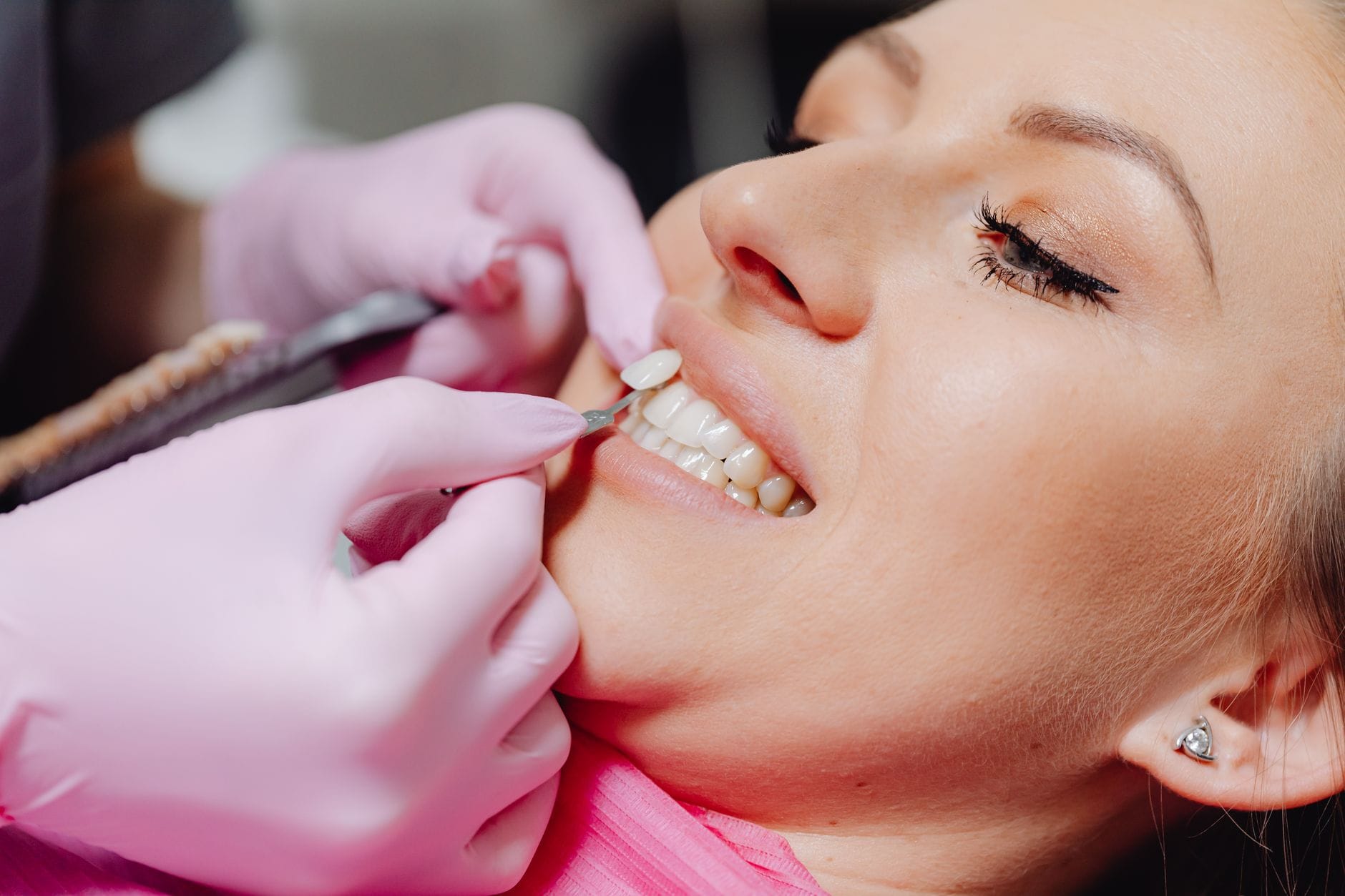
A small chip on a front tooth can suddenly become the only thing you see in every photograph.
A slight gap you’ve had for years may start bothering you. Perhaps one tooth has an unusual shape, several edges look worn, or you’re simply interested in making your smile appear more balanced.
When you start researching ways to address these concerns, two treatments often appear quickly: dental bonding and veneers.
At first glance, they can sound very similar.
Both may be used in cosmetic dentistry. Both can change the visible appearance of selected teeth. And depending on the individual situation, both may be considered for concerns involving tooth shape, chips, spacing, or other aesthetic details.
But bonding and veneers aren’t interchangeable.
They involve different approaches, considerations, maintenance needs, and treatment goals. Choosing between them shouldn’t come down to which one is more popular online.
If you’re consulting a Cosmetic Dentist Worcester, the better question isn’t simply, “Should I get bonding or veneers?”
It’s: “What is the most appropriate way to address the specific thing I want to change?”
Let’s break down the differences.
What Is Dental Bonding?
Dental bonding generally involves applying tooth-colored resin material to a tooth and carefully shaping it to improve or restore its appearance.
Depending on the clinical situation, bonding may be considered for relatively localized cosmetic concerns.
For example, it may be discussed when a patient wants to address:
- A small chip
- A minor gap
- An uneven edge
- Certain tooth-shape concerns
- Small cosmetic imperfections
Bonding can be particularly appealing when the desired change is relatively limited.
However, just because a concern looks small doesn’t automatically mean bonding is appropriate.
The tooth still needs to be evaluated.
What Are Dental Veneers?
Veneers are thin restorations designed to cover the visible front surface of selected teeth.
They may be considered when patients want to change one or several aspects of their smile, depending on their dental condition and goals.
Veneers may be discussed for concerns involving:
- Tooth shape
- Certain discoloration
- Chips
- Visible wear
- Tooth proportions
- Selected spacing concerns
- Multiple cosmetic issues affecting the same teeth
Unlike a simple cosmetic “cover,” veneers require careful planning.
The dentist needs to consider the natural tooth, bite, surrounding teeth, gums, desired appearance, and long-term maintenance.
Bonding vs. Veneers: The Biggest Difference
A simple way to think about the difference is the scale and method of the change.
Bonding uses tooth-colored resin that is shaped directly as part of the treatment.
Veneers are restorations designed to cover the visible surface of teeth.
But that’s only the technical difference.
The more important distinction is why one treatment might be recommended instead of the other.
Cosmetic Dentistry Isn’t a Menu
You shouldn’t choose bonding simply because it sounds easier.
You shouldn’t choose veneers simply because you’ve seen dramatic transformations online.
Treatment should be based on:
- What bothers you
- Condition of the tooth
- Amount of change desired
- Existing tooth structure
- Bite
- Location of the tooth
- Number of teeth involved
- Long-term expectations
Two patients who appear to have similar concerns may receive different recommendations after a dental evaluation.
When Might Dental Bonding Be Considered?
Imagine you like your smile overall.
You don’t want to change the color of every tooth.
You don’t want a full makeover.
There’s simply one small chip on a front tooth that bothers you.
This is the type of situation where bonding might enter the conversation.
Other Possible Uses
Depending on the individual case, bonding may also be considered when:
- A tooth edge is slightly uneven.
- One tooth has a minor shape difference.
- There’s a small space between teeth.
- A limited cosmetic modification is desired.
The important word is limited.
When larger changes are required, another approach may be more appropriate.
When Might Veneers Be Considered?
Now imagine a different situation.
Several front teeth have concerns involving shape, wear, color, or proportions.
You’re interested in changing multiple aspects of the smile rather than repairing one tiny detail.
Veneers may be one option your dentist discusses.
Multiple Concerns Can Influence Treatment
A veneer may sometimes address more than one cosmetic characteristic of the same tooth.
For example, treatment planning may consider both shape and color.
But this doesn’t mean everyone with multiple cosmetic concerns automatically needs veneers.
Other options may still be available.
Your dentist should explain them.
Which Option Is More Conservative?
Patients frequently ask this question.
Dental bonding may require a different approach to tooth preparation than veneers, and for certain small concerns it may offer a conservative cosmetic solution.
However, it’s too simplistic to say that one treatment is always “better” because it’s more conservative.
The appropriate treatment depends on what needs to be accomplished.
Ask a Better Question
Instead of asking:
“Which treatment changes less tooth structure?”
ask:
“What’s the most conservative treatment that can realistically achieve my goal?”
That gives your dentist room to explain the tradeoffs.
Sometimes bonding may be appropriate.
Sometimes veneers may make more sense.
Sometimes neither is necessary.
Bonding vs. Veneers for Chipped Teeth
A chipped front tooth is one of the most common reasons people investigate cosmetic dentistry.
But chips vary.
A tiny edge irregularity is very different from significant tooth damage.
Start With an Examination
Before thinking about appearance, your dentist should evaluate:
- How much tooth structure was affected
- Why the chip occurred
- Whether the tooth is otherwise healthy
- Whether your bite may affect the area
- Whether grinding or clenching is involved
If the chip is small and the tooth is otherwise appropriate for treatment, bonding may be discussed.
More significant damage may require a different restorative approach.
Don’t self-diagnose based on a photograph online.
Bonding vs. Veneers for Gaps
Small spaces between teeth can sometimes be modified cosmetically.
Bonding may be considered in selected cases by changing the visible width or contour of neighboring teeth.
Veneers may also be discussed when spacing is part of a broader cosmetic concern.
However, simply filling a gap isn’t enough.
Tooth Proportions Matter
Imagine closing a space by making two teeth significantly wider.
The gap may disappear, but the teeth might look disproportionate.
Cosmetic planning needs to consider:
- Tooth width
- Tooth height
- Neighboring teeth
- Overall smile balance
- Bite
- Amount of spacing
In some situations, a different type of dental treatment may be more appropriate.
Bonding vs. Veneers for Discoloration
This is where treatment planning becomes especially important.
If your only concern is general tooth discoloration, professional whitening may be worth discussing before changing tooth structure.
But not every type of discoloration responds the same way to whitening.
When Color and Shape Are Both Concerns
Suppose you dislike both the shade and shape of several teeth.
Your dentist may discuss different options, potentially including veneers depending on your clinical needs.
Bonding may also be used for certain cosmetic modifications, but the material and treatment have different characteristics.
The decision shouldn’t be made on color alone.
What About Uneven Tooth Edges?
Uneven edges can result from natural tooth shape, minor chips, or gradual wear.
If the differences are relatively small, bonding may sometimes be considered to modify selected areas.
But before adding material, ask why the teeth became uneven.
Tooth Wear Deserves Attention
If several teeth have become shorter or flatter over time, there may be an underlying pattern of wear.
Grinding or clenching can contribute in some cases.
Simply restoring the appearance without considering ongoing forces may overlook an important part of treatment planning.
Your dentist should evaluate function as well as appearance.
Which Looks More Natural?
Either treatment can potentially produce an attractive result when appropriately planned.
Natural appearance doesn’t come from the procedure name.
It comes from details.
These can include:
- Tooth proportions
- Shape
- Shade
- Surface characteristics
- Neighboring teeth
- Gum appearance
- Overall smile design
The goal should be a result that fits your individual smile.
Natural Doesn’t Mean Identical
Perfectly uniform teeth aren’t necessarily more natural-looking.
Small variations in shape and contour are normal.
Tell your dentist if you prefer a subtle result.
Your definition of an attractive smile matters.
How Long Does Dental Bonding Last?
There’s no universal expiration date for cosmetic dental bonding.
Its longevity can depend on several factors, including:
- Location of the bonding
- Amount of material
- Bite forces
- Grinding or clenching
- Oral hygiene
- Everyday habits
- Type of cosmetic concern addressed
Bonding may experience wear or require maintenance over time.
Ask your dentist what you should realistically expect based on your particular treatment.
How Long Do Veneers Last?
Veneers also require long-term maintenance and monitoring.
Their longevity can vary based on the patient, treatment, oral health, bite, habits, and other factors.
Rather than focusing on a single number you find online, ask your dentist what applies to your situation.
No Cosmetic Treatment Is Maintenance-Free
Whether you choose bonding, veneers, or another treatment, your smile will continue to require dental care.
That includes:
- Consistent brushing
- Cleaning between teeth
- Professional dental visits
- Monitoring restorations
- Avoiding damaging habits
- Addressing grinding or clenching when appropriate
Cosmetic dentistry doesn’t replace preventive dentistry.
Which Option Stains More Easily?
Natural teeth and dental materials don’t all respond to staining in exactly the same way.
This becomes important if you’re someone who regularly drinks coffee, tea, or other staining beverages.
Ask your dentist how the treatment you’re considering may change in appearance over time.
Don’t Try to Whiten Restorations Yourself
If bonding or veneers appear different from your surrounding teeth in the future, don’t immediately begin aggressive whitening.
Whitening affects natural teeth differently from many restorative materials.
Talk with your dentist first.
Can Bonding Be Repaired?
Depending on the type and extent of damage, your dentist can evaluate whether bonded material can be adjusted, repaired, or whether another treatment is needed.
If you notice a chip or rough area, don’t attempt to smooth or repair it yourself.
Schedule an evaluation.
What Happens if a Veneer Is Damaged?
The same principle applies.
If a veneer feels different, becomes damaged, or you notice a change, contact your dentist.
Avoid DIY fixes.
A professional needs to evaluate both the restoration and the underlying tooth.
Your Bite Matters More Than You Think
Cosmetic dentistry is highly visual, so it’s easy to forget that teeth also have a functional job.
They bite.
They chew.
They contact opposing teeth.
This is why a Cosmetic Dentist Worcester should consider how your teeth function when planning bonding, veneers, or other cosmetic treatments.
Tell Your Dentist About These Habits
Mention if you:
- Grind your teeth
- Clench your jaw
- Chew ice
- Bite pens
- Use teeth to open packages
- Have repeatedly chipped the same area
These details may affect treatment recommendations.
What if You Grind Your Teeth?
Grinding doesn’t automatically mean cosmetic treatment is impossible.
But it deserves attention.
If repeated forces contributed to existing chips or wear, your dentist may want to consider that when planning treatment.
Ignoring the cause while correcting only the appearance could create challenges later.
Be honest about any history of grinding or clenching.
Which Treatment Is Faster?
Patients often want to know which option requires less time.
The answer depends on the individual treatment plan.
Bonding for a limited cosmetic concern may involve a different process from planning veneers for multiple teeth.
But speed shouldn’t be your primary decision factor.
Faster Isn’t Always Better
If you’re preparing for an important event, tell your dentist your deadline.
Then ask what can realistically and appropriately be completed within that timeframe.
Don’t choose treatment only because it appears to be the quickest solution.
Which Treatment Costs Less?
Cost is another major consideration.
Bonding and veneers involve different materials, planning, procedures, and maintenance considerations, so costs can differ.
But price alone shouldn’t determine your decision.
A cheaper treatment that doesn’t appropriately address your concern isn’t necessarily a better value.
Likewise, a more expensive option isn’t automatically superior.
Ask for the Complete Picture
Discuss:
- Initial treatment
- Number of teeth involved
- Expected maintenance
- Long-term considerations
- Alternative options
If budget is a concern, ask whether treatment can be prioritized or completed in stages.
Do You Need to Treat Every Front Tooth?
No.
This is one of the most important misconceptions to challenge.
You may see cosmetic transformations online involving many teeth and assume that’s the standard approach.
It doesn’t have to be.
If one or two teeth are causing your concern, ask whether treatment can focus on those areas.
Blending Becomes Important
When only selected teeth receive cosmetic treatment, they should work visually with surrounding natural teeth.
Your dentist may consider shade, shape, size, and proportions when planning the result.
Can Bonding and Veneers Be Combined?
Depending on the patient’s needs, a cosmetic treatment plan may involve different procedures for different teeth.
However, every procedure should serve a clear purpose.
Treatment shouldn’t become more complicated simply because multiple options exist.
Ask your dentist to explain why each recommended procedure is included.
What if Neither Option Is Right?
This is always possible.
Maybe professional whitening is more appropriate.
Perhaps the tooth requires restorative care.
Maybe spacing or alignment would be better addressed through another approach.
Or perhaps the concern doesn’t require treatment at all.
A good consultation shouldn’t end with bonding or veneers simply because those were the two treatments you initially researched.
10 Questions to Ask Before Choosing
Before making your decision, ask:
- What is causing my cosmetic concern?
- Is the tooth healthy?
- Could bonding address my goal?
- Are veneers appropriate?
- Are there alternatives to both?
- Which option is more conservative for my situation?
- What result can I realistically expect?
- What maintenance will each option require?
- How could my bite or habits affect treatment?
- What happens if the restoration needs repair in the future?
These questions help shift the conversation from “Which procedure is better?” to “Which procedure is better for me?”
Don’t Choose Based on Social Media Alone
Social media is useful for inspiration.
It isn’t a dental examination.
You can’t determine whether bonding, veneers, or another treatment is appropriate by comparing your selfie with someone else’s before-and-after photographs.
The underlying condition of your teeth matters.
So do your bite, gums, dental history, and goals.
Use online research to develop questions—not to diagnose yourself.
Bonding or Veneers? Start With Your Goal
When comparing dental bonding and veneers, there’s no universal winner.
Bonding may be a good option for certain limited cosmetic concerns.
Veneers may be considered when a different level or type of cosmetic change is appropriate.
Other patients may benefit from an entirely different treatment.
The best starting point is simple:
What do you want to change about your smile?
At Unique Dental of Worcester, cosmetic treatment planning can begin with an evaluation of your oral health and a conversation about your priorities.
If you’re searching for a Cosmetic Dentist Worcester, don’t feel pressured to choose between bonding and veneers before your appointment.
Bring the concern—not the solution.
Explain what bothers you, how much you’d like to change, and what kind of result you prefer.
From there, your dentist can discuss the advantages, limitations, and maintenance considerations of appropriate treatment options.
Your ideal cosmetic treatment isn’t necessarily the most dramatic one.
It’s the one designed around your teeth, your oral health, and the smile you want to share.