
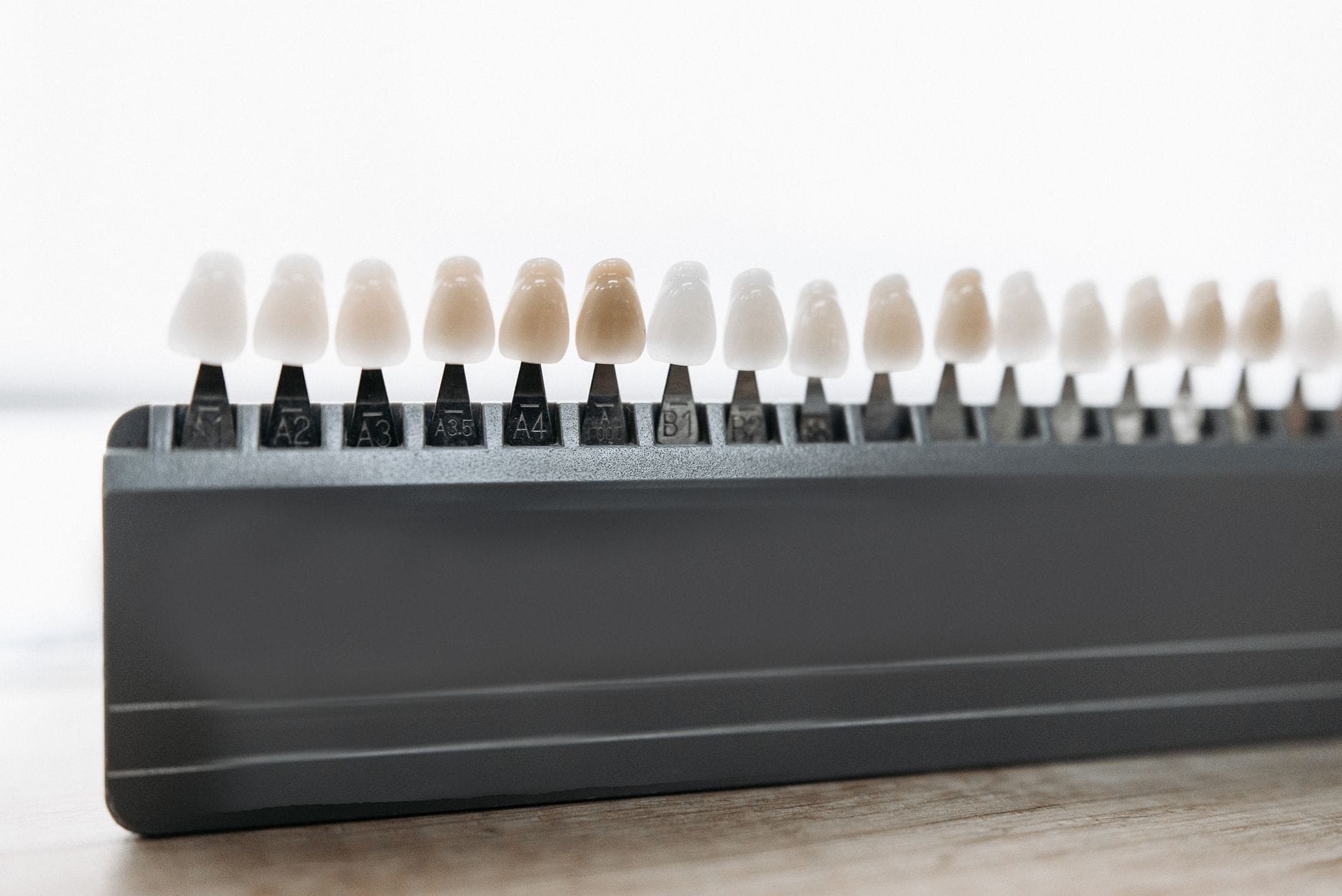
Have you ever looked at a photo of yourself and wished one or two teeth looked a little different?
Maybe your front teeth have uneven edges. Perhaps there’s a small gap you’ve always noticed, or a tooth that remains discolored no matter how carefully you brush.
These concerns don’t necessarily affect your oral health, but they can influence how you feel about your smile.
Dental veneers are one cosmetic treatment option that may help address several of these concerns. They can change the visible color, shape, and proportions of selected teeth, sometimes creating a noticeable difference without treating every tooth.
However, veneers aren’t the right choice for everyone. They involve important decisions about natural tooth structure, maintenance, cost, and long-term expectations.
If you’re considering a Cosmetic Dentist Worcester residents can consult about veneers, understanding the treatment before making a decision is essential.
Here’s what you should know about dental veneers, including their benefits, limitations, and what to expect throughout the process.
What Are Dental Veneers?
Dental veneers are thin, custom-made restorations attached to the front surfaces of teeth.
They are designed to improve the appearance of selected teeth while blending with the surrounding smile.
Veneers are commonly made from porcelain or composite resin.
Although both materials can improve tooth appearance, they differ in durability, maintenance, preparation, and cost.
Porcelain Veneers
Porcelain veneers are fabricated to match a planned tooth shape and shade.
They are often selected because porcelain can reproduce the translucent appearance of natural enamel.
Porcelain also tends to resist staining better than composite resin.
However, porcelain veneers generally require laboratory fabrication and may involve permanent alteration of the natural teeth.
Composite Veneers
Composite veneers use tooth-colored resin material to improve tooth appearance.
Depending on the technique, composite material may be applied directly to the tooth or fabricated separately.
Composite veneers can sometimes require less tooth preparation.
However, they may be more susceptible to staining and wear than porcelain.
What Cosmetic Problems Can Veneers Address?
Veneers are versatile, but their suitability depends on the condition of the teeth.
1. Stubborn Tooth Discoloration
Some teeth have internal discoloration that doesn’t respond predictably to whitening.
Veneers may help mask certain types of discoloration.
2. Chipped Front Teeth
Small chips can affect the appearance of a smile.
Depending on the damage, veneers may restore a more uniform visible shape.
3. Uneven Tooth Length
Some people have front teeth that appear shorter or more irregular than neighboring teeth.
Veneers may help create more balanced proportions.
4. Small Gaps Between Teeth
In selected cases, veneers can reduce the appearance of minor spacing.
However, larger gaps or significant alignment problems may be better addressed through orthodontic treatment.
5. Irregular Tooth Shapes
Teeth that appear unusually narrow, small, or uneven may sometimes be improved with veneers.
The treatment should be planned carefully to avoid unnatural proportions.
Who Is a Good Candidate for Dental Veneers?
Not everyone who wants veneers is an appropriate candidate.
Before recommending treatment, a dentist needs to evaluate oral health and the condition of the natural teeth.
Healthy Teeth and Gums Matter
Untreated cavities and active gum disease should generally be addressed before elective cosmetic treatment.
Placing veneers over unhealthy teeth does not resolve underlying dental problems.
Sufficient Tooth Structure
Some veneer techniques require enamel removal.
The amount of healthy tooth structure available can influence treatment options.
Bite and Grinding Habits
Patients who grind or clench their teeth may face an increased risk of damaging veneers.
A dentist may recommend managing these habits before proceeding.
Realistic Expectations
Veneers can improve selected cosmetic concerns, but they cannot guarantee a perfect smile.
A successful result should complement your natural facial features and oral health needs.
What Happens During the Veneer Treatment Process?
The exact process depends on the veneer material, preparation method, and individual treatment plan.
However, treatment commonly involves several stages.
Step 1: Cosmetic Consultation
Your dentist begins by discussing what you would like to change about your smile.
This may include tooth color, shape, spacing, or overall appearance.
A dental examination helps determine whether veneers are appropriate.
Step 2: Smile Planning
Your dentist may evaluate photographs, impressions, digital scans, and other records.
These details can help guide decisions about tooth shape, size, and color.
Some practices offer digital previews or temporary mock-ups, although availability varies.
Step 3: Tooth Preparation
For certain veneers, a small amount of enamel is removed to create space for the restoration.
Some cases require minimal preparation, while others involve more substantial changes.
Because enamel does not grow back, patients should understand whether the proposed procedure is irreversible.
Step 4: Veneer Fabrication
Porcelain veneers are commonly fabricated by a dental laboratory.
Temporary restorations may be used while permanent veneers are being made.
Composite veneers may sometimes be completed directly in the dental office.
Step 5: Placement and Adjustment
The dentist checks the veneer fit, appearance, and bite before final placement.
After bonding, adjustments may be made to improve comfort and function.
How Long Do Dental Veneers Last?
Veneers are durable restorations, but they are not permanent.
Their lifespan depends on several factors, including material, oral hygiene, biting forces, and maintenance.
Factors That Affect Veneer Longevity
These include:
- Teeth grinding or clenching.
- Chewing hard objects.
- Oral hygiene habits.
- Gum health.
- Accidental dental injuries.
- The quality and condition of the underlying tooth structure.
Can Veneers Break?
Yes.
Although veneers are designed to withstand normal function, they can chip, crack, or become detached.
Patients should avoid using their teeth to open packages or bite hard objects.
Will Veneers Need Replacement?
Many veneers eventually require repair or replacement.
This is an important consideration because preparing a tooth for a veneer may create a long-term need for restorative maintenance.
Do Dental Veneers Look Natural?
Natural-looking results depend on more than choosing a white shade.
A smile has individual characteristics that should be considered during treatment planning.
Tooth Shape
The shape of your teeth influences your smile’s overall appearance.
Veneers should complement your facial features rather than create an identical appearance for every patient.
Tooth Color
Extremely bright veneers may look unnatural when they don’t blend with surrounding teeth.
Shade selection should consider your preferences and the color of neighboring teeth.
Surface Texture
Natural teeth have subtle surface details.
Appropriate texture and translucency can help restorations look more realistic.
Gumline Harmony
The relationship between teeth and gums also affects smile appearance.
Healthy gums are important for both aesthetics and long-term veneer maintenance.
Dental Veneers vs. Dental Bonding
Patients often wonder whether veneers or bonding would be better for their cosmetic concerns.
Both can improve tooth appearance, but they aren’t interchangeable.
Dental Bonding
Bonding involves applying tooth-colored composite resin to repair or reshape selected areas.
It may be suitable for minor chips, small gaps, and limited cosmetic changes.
Bonding can sometimes preserve more natural tooth structure.
However, composite materials may stain or wear over time.
Dental Veneers
Veneers cover a larger portion of the visible tooth surface.
They may be considered when a patient wants more extensive changes to tooth color or shape.
Porcelain veneers generally offer greater stain resistance than composite bonding, but they may require more preparation.
Which Treatment Should You Choose?
The best choice depends on the extent of the cosmetic concern, tooth condition, budget, and long-term goals.
When meeting with a Cosmetic Dentist Worcester patients are considering, ask about conservative alternatives before committing to irreversible treatment.
How Much Do Dental Veneers Cost?
Veneer costs vary depending on the material, number of teeth treated, case complexity, and dental practice.
What Influences the Price?
Common factors include:
- Porcelain versus composite materials.
- Number of veneers.
- Required preparation.
- Laboratory costs.
- Additional dental treatment.
- Geographic location.
- Complexity of the cosmetic goals.
Does Dental Insurance Cover Veneers?
Veneers performed solely for cosmetic purposes are often excluded from dental insurance coverage.
However, policies differ, and certain restorative situations may have different coverage considerations.
Patients should confirm benefits directly with their insurer.
Think About Long-Term Costs
The initial treatment cost is only one consideration.
Veneers may require maintenance, repair, or replacement in the future.
Understanding these possibilities can help you plan realistically.
How to Care for Dental Veneers
Maintaining veneers is similar in many ways to caring for natural teeth.
However, a few additional precautions may help protect them.
Brush and Floss Consistently
Brush twice daily with fluoride toothpaste and clean between teeth every day.
Good oral hygiene helps protect the natural teeth and surrounding gums.
Avoid Chewing Hard Objects
Don’t chew ice, pens, or other hard objects.
These habits may damage veneers.
Manage Teeth Grinding
If you grind your teeth, ask your dentist whether a protective nightguard is appropriate.
Attend Regular Dental Examinations
Your dentist can monitor the veneers, surrounding teeth, and gum health.
Regular appointments may help identify problems before they become more complicated.
Common Questions About Dental Veneers
Are Dental Veneers Painful?
Comfort varies depending on the preparation required.
Some procedures involve minimal discomfort, while others may require local anesthesia.
Your dentist can explain what to expect.
Can Veneers Get Cavities?
The veneer material itself cannot develop tooth decay.
However, the natural tooth underneath and around the restoration can still develop cavities.
Can Veneers Be Whitened?
Porcelain and composite veneers generally do not respond to bleaching like natural teeth.
Shade selection should be discussed before placement.
Are Veneers Reversible?
Many veneer treatments involve permanent enamel removal.
These procedures are generally not reversible.
Some minimal-preparation approaches may preserve more tooth structure, but reversibility should never be assumed.
Can I Get Veneers on Just One Tooth?
Yes, in selected cases.
A single veneer may be used to address a cosmetic concern affecting one tooth.
Matching its appearance to neighboring teeth requires careful planning.
Make an Informed Decision About Your Smile
Dental veneers can offer meaningful cosmetic improvements for patients who want to change the appearance of chipped, discolored, uneven, or irregularly shaped teeth.
However, the decision should involve more than choosing a preferred smile from a photograph.
It’s important to understand the condition of your natural teeth, the available treatment alternatives, and the long-term responsibilities associated with veneers.
A personalized consultation can help you evaluate whether veneers are suitable for your goals.
If you’re searching for a Cosmetic Dentist Worcester residents can contact to discuss dental veneers, begin by asking about your options and what treatment may involve.
At Unique Dental of Worcester, patients can discuss their cosmetic concerns and inquire about available smile enhancement services.
Ready to Explore Your Veneer Options?
Whether you’re concerned about a chipped front tooth, uneven edges, or stubborn discoloration, understanding your treatment options is the first step toward a smile you feel comfortable sharing.
Contact Unique Dental of Worcester to ask about available cosmetic dentistry services and schedule a consultation.