
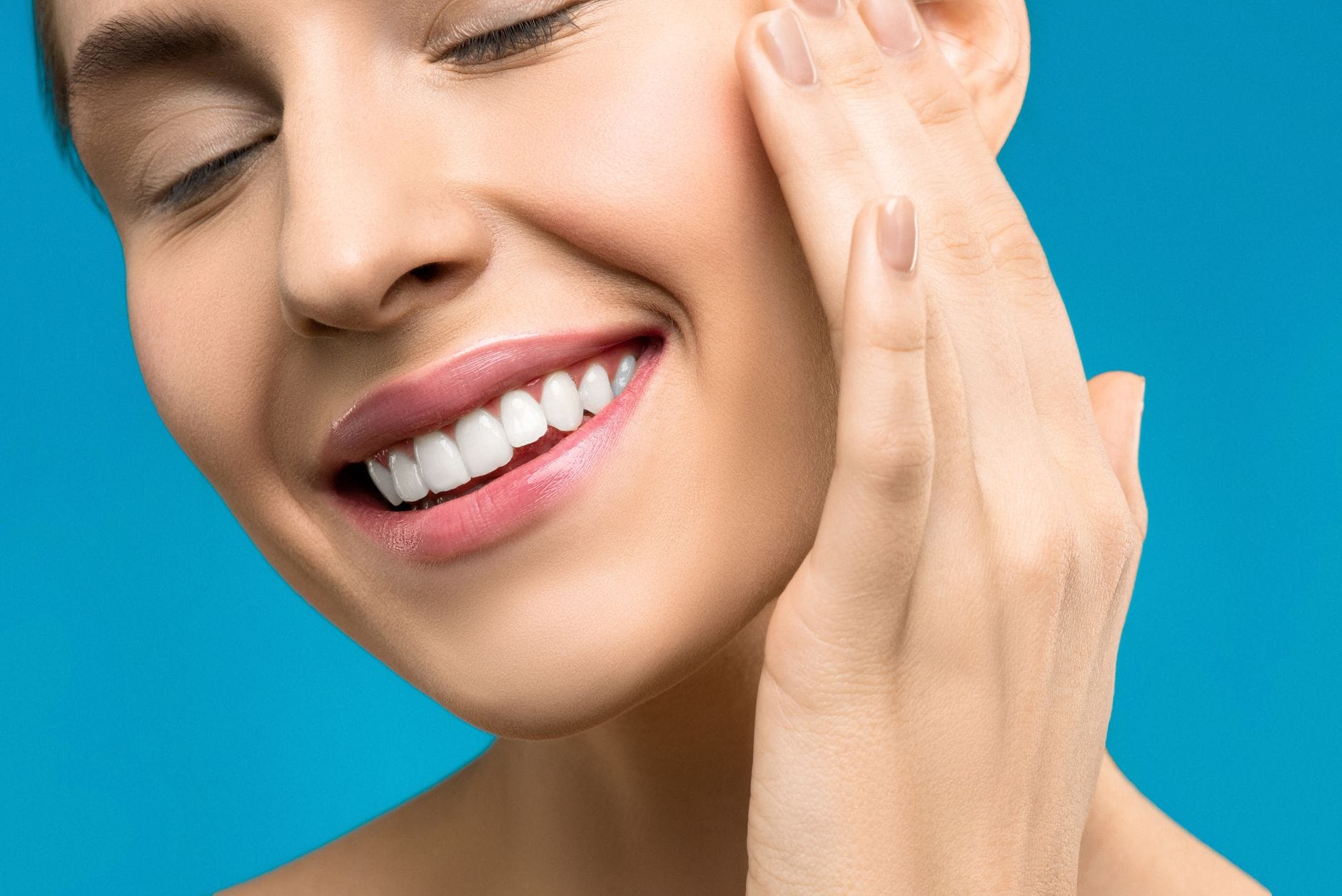
Think about the last time someone took a picture of you. Did you smile naturally, or did you instinctively keep your lips closed?
For many people, smiling for a photo isn’t as simple as it sounds. A chipped front tooth, noticeable staining, or a small gap can make someone feel uncomfortable showing their teeth.
These concerns are incredibly common. And while there’s nothing wrong with having an imperfect smile, wanting to improve its appearance is a personal choice that deserves thoughtful consideration.
Modern cosmetic dentistry offers several ways to address concerns about tooth color, shape, spacing, and overall appearance. Some treatments involve relatively minor changes, while others require a more comprehensive approach.
If you’re searching for a Cosmetic Dentist Worcester residents can consult about smile improvements, understanding your options is the first step toward making an informed decision.
Let’s explore what cosmetic dentistry involves, which treatments may be suitable for different concerns, and how to approach a smile transformation with realistic expectations.
What Is Cosmetic Dentistry?
Cosmetic dentistry focuses on improving the appearance of teeth and smiles.
Unlike treatments primarily intended to address infection or disease, cosmetic procedures generally focus on aesthetic concerns.
However, some treatments may provide both cosmetic and functional benefits.
For example, repairing a chipped tooth can improve its appearance while also restoring its shape.
Common Cosmetic Dental Concerns
People often explore cosmetic dentistry because of:
- Stained or discolored teeth.
- Chipped or cracked teeth.
- Small gaps between teeth.
- Uneven tooth shapes.
- Teeth that appear too short or worn.
- Minor alignment concerns.
- Older restorations that affect smile appearance.
The most appropriate treatment depends on the condition of your teeth, oral health, and personal goals.
1. Professional Teeth Whitening for a Brighter Smile
Tooth discoloration is one of the most common cosmetic concerns.
Over time, teeth may become stained by coffee, tea, tobacco, and certain foods.
Natural aging can also affect tooth color.
How Professional Whitening Works
Professional teeth whitening uses bleaching agents designed to lighten certain types of tooth discoloration.
Depending on the treatment, whitening may be performed in a dental office or through dentist-supervised take-home systems.
Results vary based on the original tooth color, staining type, and whitening method.
Is Whitening Right for Everyone?
Not all discoloration responds equally to bleaching.
Additionally, whitening products do not change the color of crowns, veneers, or fillings.
Patients with untreated cavities, gum disease, or significant sensitivity may need additional evaluation before whitening.
A dental consultation can help determine whether whitening is appropriate.
2. Porcelain Veneers for Noticeable Smile Changes
Some cosmetic concerns involve more than tooth color.
Patients may want to improve the appearance of teeth that are chipped, uneven, irregularly shaped, or permanently discolored.
Dental veneers are one possible option.
What Are Dental Veneers?
Veneers are thin restorations placed over the front surfaces of teeth.
They are commonly made from porcelain or composite materials.
Their purpose is to change the visible appearance of selected teeth.
What Can Veneers Address?
Depending on the situation, veneers may help improve the appearance of:
- Certain stubborn stains.
- Small chips.
- Uneven tooth edges.
- Minor spacing concerns.
- Irregular tooth shapes.
What Should You Consider Before Getting Veneers?
Some veneer treatments require removal of a small amount of enamel.
This means the procedure may be irreversible.
Veneers can also chip, wear, or require replacement over time.
Before proceeding, patients should understand the expected maintenance, potential risks, and alternative treatments.
3. Dental Bonding for Small Cosmetic Imperfections
Not every smile improvement requires extensive treatment.
For certain minor concerns, dental bonding may offer a more conservative option.
How Dental Bonding Works
Dental bonding uses tooth-colored composite resin to change or repair the appearance of a tooth.
The material is shaped and polished to blend with surrounding teeth.
Common Uses for Bonding
Bonding may be considered for:
- Small chips.
- Minor gaps.
- Uneven edges.
- Certain areas of discoloration.
- Small changes in tooth shape.
Benefits and Limitations
Bonding may require less alteration of natural tooth structure than some other cosmetic procedures.
However, composite resin can stain or chip over time.
Its suitability depends on the location of the tooth, biting forces, and the extent of the desired change.
4. Improving the Appearance of Uneven Teeth
Not everyone has naturally symmetrical teeth.
Some people have one front tooth that appears slightly longer than the other. Others notice uneven edges or differences in tooth shape.
These variations are normal, but cosmetic treatment may be an option for patients who want a more balanced appearance.
Cosmetic Contouring
In selected cases, minor enamel reshaping may help improve the appearance of uneven edges.
Because enamel cannot regenerate, this approach requires careful evaluation.
Bonding or Veneers
When reshaping alone isn’t suitable, bonding or veneers may be considered.
The choice depends on how much change is needed and the condition of the natural teeth.
Orthodontic Treatment
If the main concern involves tooth position rather than shape, orthodontic treatment may be more appropriate.
A dentist can help determine whether orthodontic evaluation is recommended.
5. Replacing Old Restorations That Affect Your Smile
Older dental restorations sometimes become noticeable because of changes in color, wear, or surrounding tooth structure.
For example, a filling on a front tooth may no longer blend naturally with neighboring teeth.
When Should a Restoration Be Replaced?
A restoration shouldn’t automatically be replaced simply because it’s old.
However, replacement may be considered if it is damaged, no longer functioning properly, or creating an aesthetic concern that the patient wishes to address.
Cosmetic and Functional Considerations
Before replacing a restoration, your dentist should evaluate:
- The remaining natural tooth structure.
- The condition of the existing restoration.
- Your bite.
- The risk of further tooth damage.
- The expected benefits of replacement.
Preserving healthy tooth structure should remain an important priority.
How to Choose the Right Cosmetic Dental Treatment
With several treatment options available, deciding where to begin can feel overwhelming.
The best approach is to focus on your specific concerns rather than choosing a procedure based on social media trends.
Step 1: Identify What You Want to Change
Look at your smile and consider what bothers you most.
Is it the color of your teeth? A chipped edge? A gap? Or several concerns together?
Being specific can make your consultation more productive.
Step 2: Schedule a Dental Evaluation
Before cosmetic treatment, your dentist should assess your oral health.
Untreated cavities, gum inflammation, or other dental problems may need attention first.
Step 3: Discuss Available Options
Ask about the benefits, limitations, costs, and expected maintenance of suitable treatments.
A good treatment discussion should include alternatives, including the option of making no cosmetic changes.
Step 4: Set Realistic Expectations
Cosmetic dentistry can improve certain aspects of a smile, but results depend on individual circumstances.
Natural-looking outcomes often involve working with existing facial features and tooth proportions rather than trying to create identical teeth.
What Makes a Smile Look Natural?
A beautiful smile doesn’t necessarily mean having perfectly white, perfectly straight teeth.
In fact, overly uniform teeth may sometimes look less natural.
Several elements influence smile appearance.
Tooth Shape and Proportion
The size and shape of teeth affect how they look together.
Subtle differences can contribute to a natural appearance.
Tooth Color
The brightest possible shade isn’t always the most flattering choice.
A suitable shade should complement surrounding teeth and the patient’s preferences.
Gum Appearance
Gum health and the visible gumline also influence the overall appearance of a smile.
Facial Harmony
Teeth should be considered in relation to the lips, face, and natural smile.
This is why personalized planning matters.
Is Cosmetic Dentistry Worth It?
The value of cosmetic dentistry is different for everyone.
For some patients, improving a single chipped tooth may be enough to feel more comfortable smiling.
Others may want to address several concerns.
The decision should be based on personal goals, oral health, treatment expectations, and budget.
Questions to Ask Before Treatment
When meeting with a Cosmetic Dentist Worcester patients are considering, ask:
- Which treatments are suitable for my concerns?
- Will any healthy enamel need to be removed?
- What are the potential risks or side effects?
- How long might the results last?
- Will future maintenance or replacement be necessary?
- Are there more conservative alternatives?
- What is the estimated total treatment cost?
Clear answers can help you make a confident, informed choice.
How to Maintain Your Cosmetic Dentistry Results
Cosmetic treatment is only one part of maintaining your smile.
Long-term results depend on consistent care and the type of procedure performed.
Practice Good Oral Hygiene
Brush twice daily with fluoride toothpaste and clean between your teeth every day.
Avoid Using Teeth as Tools
Don’t use your teeth to open packaging or bite hard objects.
These habits can damage natural teeth and restorations.
Be Mindful of Staining
Coffee, tea, tobacco, and certain foods may contribute to staining.
Some cosmetic materials resist staining better than others, but maintenance remains important.
Attend Regular Dental Appointments
Professional examinations help monitor your natural teeth, gums, and existing restorations.
Your dentist can recommend an appropriate maintenance schedule.
Common Questions About Cosmetic Dentistry
Does Cosmetic Dentistry Hurt?
Comfort depends on the procedure and individual circumstances.
Some treatments require little or no anesthesia, while others involve more extensive preparation.
Your dentist can explain what to expect.
Are Cosmetic Dental Results Permanent?
Not necessarily.
Whitening results may fade, bonding can stain or chip, and veneers may eventually need replacement.
Can Cosmetic Dentistry Fix Crooked Teeth?
Some cosmetic treatments can change the appearance of minor irregularities.
However, orthodontic treatment may be more appropriate for significant alignment concerns.
Should I Get Whitening or Veneers?
The answer depends on your goals.
Whitening primarily changes tooth color, while veneers can change color, shape, and certain other visible characteristics.
A dental evaluation can help determine the most suitable approach.
Your Smile, Your Choice
A smile doesn’t have to be flawless to be beautiful.
But if stained, chipped, or uneven teeth are affecting how comfortable you feel, cosmetic dentistry may offer options worth exploring.
The key is choosing treatment that suits your oral health, personal preferences, and long-term expectations.
Rather than rushing into a procedure, take time to understand what each option can accomplish and what maintaining the results may involve.
If you’re looking for a Cosmetic Dentist Worcester residents can contact for a smile consultation, start by discussing your concerns with a qualified dental professional.
At Unique Dental of Worcester, patients can ask about available cosmetic dental services and explore options that may suit their individual needs.
Ready to Explore Your Smile Options?
Whether you’re interested in brighter teeth, repairing a small chip, or improving your smile’s overall appearance, the first step is understanding your choices.
Contact Unique Dental of Worcester to ask about cosmetic dentistry services and schedule a consultation.