
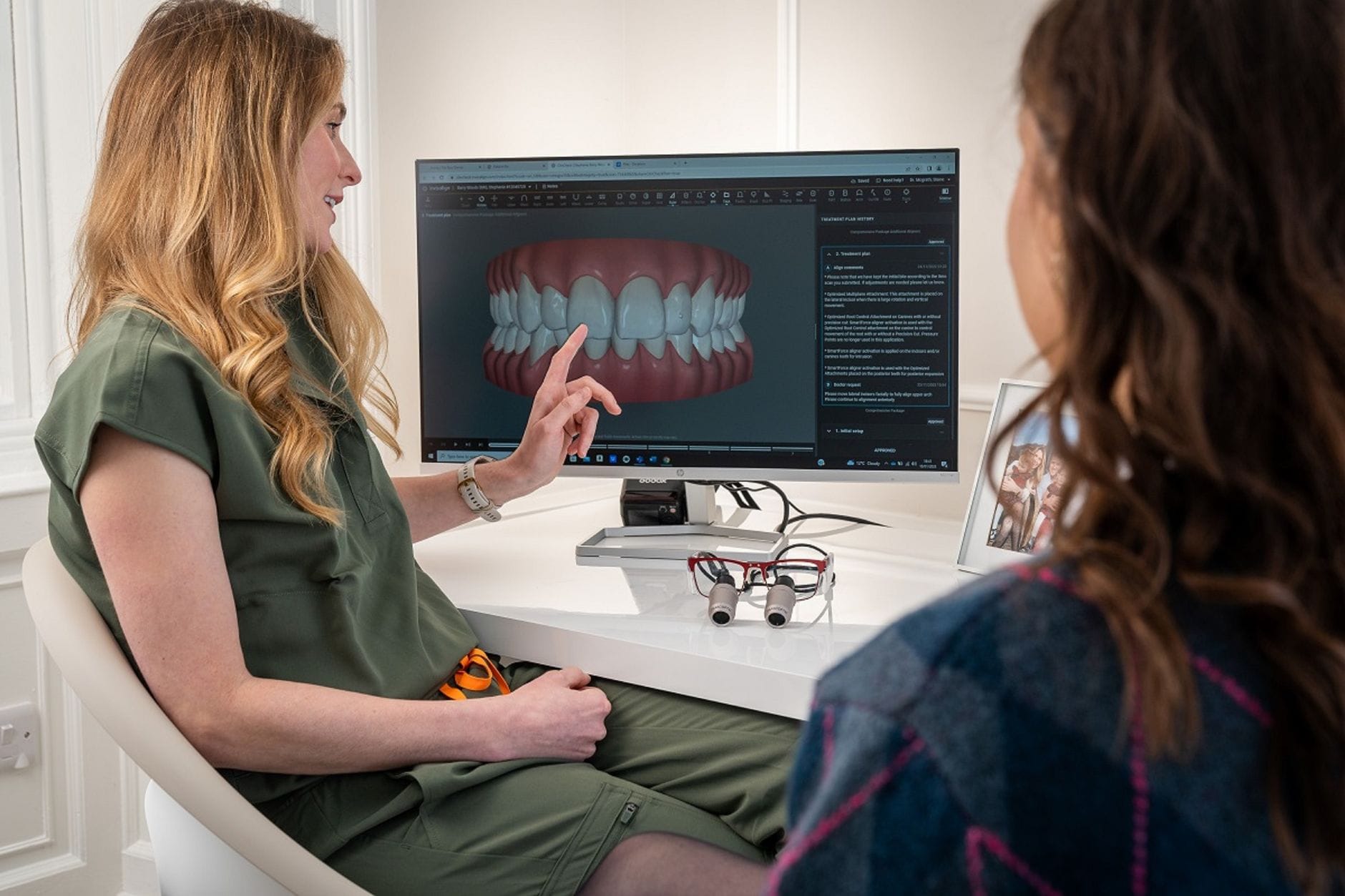
Choosing a cosmetic dentist can feel surprisingly difficult.
A quick search brings up whitening, bonding, veneers, crowns, smile makeovers, before-and-after photos, special offers, and promises of dramatic transformations. After looking at several dental practices, they can all begin to sound similar.
But cosmetic dentistry is personal.
You’re not simply choosing someone to make your teeth whiter or change their shape. You’re choosing a dental professional who will evaluate your oral health, listen to what you want, explain your options, and help you decide whether treatment is appropriate for your smile.
That makes the decision worth taking seriously.
If you’re searching for a Cosmetic Dentist Worcester, don’t choose based only on the first advertisement you see or the most dramatic smile transformation online. Look at the complete experience: communication, treatment philosophy, personalization, oral-health priorities, transparency, and long-term care.
Here’s what to consider before making your choice.
Start by Understanding Your Own Smile Goals
Before comparing dentists, spend a few minutes thinking about what you actually want.
You don’t need to know which dental procedure you need.
That’s the dentist’s job to help determine.
You should, however, be able to describe what bothers you.
Perhaps your teeth have become darker over time.
Maybe you have:
- A chipped front tooth
- Uneven tooth edges
- A small gap
- Visible tooth wear
- Older dental work
- A tooth that doesn’t match its neighbors
- Several cosmetic concerns at once
Or perhaps you can’t identify one specific issue—you simply want your smile to look fresher and more balanced.
That’s okay too.
The clearer you are about the goal, the easier it becomes to evaluate whether a dentist is listening to you.
Don’t Choose a Procedure Before Choosing a Dentist
It’s easy to fall into this trap.
You see veneers online and decide:
“That’s what I need.”
Then you start searching exclusively for veneers.
But your concern may have another solution.
For example, depending on the clinical situation, a small chip might be addressed with bonding rather than a more extensive treatment.
If color is your primary concern, professional whitening may be worth discussing before changing tooth shape.
If a tooth is structurally damaged, the appropriate treatment may be different again.
Search for Solutions, Not Just Procedures
Instead of approaching your consultation with:
“I want this procedure.”
Try:
“This is what bothers me. What options could improve it?”
A good cosmetic dentist should help you understand the choices rather than simply agree with whatever procedure you found online.
Look for a Dentist Who Prioritizes Oral Health
Cosmetic dentistry is about appearance, but appearance shouldn’t come at the expense of dental health.
Before elective cosmetic treatment begins, your dentist should understand the condition of your teeth and gums.
Depending on your individual needs, that may include evaluating:
- Tooth health
- Gum health
- Existing restorations
- Areas of damage
- Tooth wear
- Bite
- Previous dental work
Why does this matter?
Because cosmetic treatment works best when it’s planned on an appropriate foundation.
Cosmetic Problems Can Sometimes Be More Than Cosmetic
Suppose one tooth suddenly becomes darker.
Your first thought may be whitening.
But the change should be professionally evaluated rather than automatically treated as a surface stain.
Or perhaps you’re concerned about teeth looking shorter. Before changing their appearance, your dentist may want to determine whether wear is occurring and what may be contributing to it.
Good cosmetic dentistry asks “why?” before asking “how do we change it?”
Pay Attention to How Well the Dentist Listens
Your consultation should feel like a conversation.
If you say:
“I want my smile brighter, but I don’t want extremely white teeth,”
that preference matters.
If you say:
“This one tooth bothers me, but I don’t want to change the rest of my smile,”
that matters too.
Cosmetic dentistry isn’t one-size-fits-all.
Your Dentist Should Understand Your Preferences
You may prefer:
- Subtle changes
- A more noticeable transformation
- A natural tooth shade
- More uniform tooth shapes
- Minimal treatment
- A phased approach
There isn’t one universally correct cosmetic result.
The right plan should reflect your preferences while remaining clinically appropriate.
Ask Whether Conservative Options Are Available
More treatment isn’t always better treatment.
One of the most valuable questions you can ask during a cosmetic consultation is:
“What’s the most conservative way to achieve my goal?“
That question can change the entire conversation.
Perhaps one small repair can improve the feature that’s been bothering you.
Maybe whitening can produce enough of a change that you no longer want additional treatment.
Or your concern may genuinely require something more comprehensive.
The point isn’t that conservative treatment is always the answer.
The point is that it should be considered when appropriate.
Look for Personalized Treatment Planning
Be cautious of the idea that every cosmetic patient should receive the same smile.
Your teeth aren’t identical to anyone else’s.
Neither are your face, lips, gums, bite, dental history, or preferences.
A personalized plan should consider the complete picture.
Cosmetic Planning May Include
Depending on your goals:
- Tooth color
- Tooth shape
- Tooth proportions
- Existing restorations
- Gum appearance
- Visible tooth wear
- Bite-related considerations
- Neighboring teeth
- Long-term maintenance
This is particularly important if several cosmetic treatments are being considered.
Each procedure shouldn’t be planned independently if it affects the appearance of the others.
Don’t Judge a Dentist Only by Before-and-After Photos
Before-and-after photographs can be useful.
They may help you understand the types of changes cosmetic dentistry can create.
But photographs shouldn’t be your only decision-making tool.
Why?
Because you’re seeing another patient’s smile.
Their starting point was different.
Their oral health was different.
Their treatment needs were different.
Their aesthetic preferences may also have been different.
Use Photos to Discuss Style
Rather than asking:
“Can you make my teeth exactly like these?”
Try:
“I like how natural this result looks.”
Or:
“I like the shape, but I’d prefer a softer shade.”
Photos work best as communication tools rather than templates.
Ask About Teeth Whitening Carefully
Professional whitening is one of the most familiar cosmetic treatments, but even whitening deserves personalized planning.
If you’re considering whitening, ask:
- Is my discoloration likely to respond?
- What level of change is realistic?
- Could I experience sensitivity?
- How should I maintain the result?
- Will my existing dental work affect the final appearance?
That last question is particularly important.
Crowns, fillings, bonding, and veneers generally don’t whiten the same way natural teeth do.
If you have visible restorations, your dentist should consider how whitening may affect the overall color balance of your smile.
Understand Dental Bonding Before Choosing It
Bonding can be useful for certain minor cosmetic concerns.
Depending on the situation, it may be considered for:
- Small chips
- Minor spacing
- Uneven edges
- Selected shape concerns
But bonding isn’t appropriate for every cosmetic problem.
Your bite, tooth position, amount of material required, and other factors may affect whether it makes sense.
Ask About Maintenance
If bonding is recommended, ask how to care for it.
Find out what habits could damage the treated area and what you should do if it ever feels rough, chips, or changes.
Cosmetic dentistry should include a discussion about what happens after treatment—not only how it will look on day one.
Understand What Veneers Can and Cannot Do
Veneers are often heavily promoted because they can create noticeable cosmetic changes.
But they aren’t automatically the right solution for every patient.
If veneers are recommended, ask why.
Understand what concern they’re intended to address and whether alternatives exist.
Useful Questions Include:
- Why are veneers appropriate for my situation?
- Are there more conservative alternatives?
- How many teeth actually need treatment?
- How will the veneers blend with untreated teeth?
- What will happen to my natural teeth?
- What maintenance will be necessary?
- What should I realistically expect long-term?
The goal is informed consent—not simply choosing treatment because you like a photograph.
Make Sure Expectations Are Realistic
Be cautious of promises that sound too perfect.
Dentistry involves biology, materials, individual anatomy, habits, and many other variables.
Responsible cosmetic treatment planning should include both possibilities and limitations.
A dentist should be comfortable saying:
“This may improve the concern, but here’s what you should understand.”
Realistic expectations protect patients from disappointment.
Discuss Your Timeline Early
Are you considering cosmetic dentistry because you have a major event coming up?
Tell your dentist.
Common reasons people begin exploring cosmetic treatment include:
- Weddings
- Graduations
- Reunions
- Career events
- Professional photographs
- Vacations
- Major celebrations
Different procedures require different amounts of time.
You may also need other dental treatment before cosmetic care begins.
Don’t Wait Until the Last Minute
If your event is important, start the conversation early.
That gives you time to understand your options without making a rushed decision.
Cosmetic dentistry should rarely feel like an emergency purchase.
Ask About the Complete Cost
Cost naturally matters when choosing cosmetic dental treatment.
Don’t be embarrassed to ask.
Before agreeing to treatment, make sure you understand what is included in the proposed plan.
If several treatments are recommended, ask whether they’re all necessary to accomplish your main goal.
Consider Prioritizing
If you’re concerned about cost, ask:
“Which change would make the biggest difference?”
You may be able to begin with your highest-priority concern and consider additional treatment later.
A phased plan can sometimes make cosmetic care more manageable.
Ask About Long-Term Maintenance
This is one of the most overlooked parts of choosing cosmetic treatment.
Your result needs to live in the real world.
You’ll eat.
Drink coffee.
Brush.
Floss.
Chew.
Age.
Your teeth and gums will continue to change.
Before choosing a procedure, ask what maintaining it will involve.
Questions About Maintenance
Consider asking:
- How should I clean the treated teeth?
- Could the material stain?
- What habits could damage it?
- How will the treatment be monitored?
- Is future maintenance expected?
- What happens if something chips?
- How might my natural teeth change around the restoration?
The answers may influence which option you prefer.
Tell Your Dentist if You Grind or Clench
Grinding and clenching shouldn’t be ignored when planning cosmetic dentistry.
Repeated forces can contribute to tooth wear and may also affect restorations.
Tell your dentist if you experience:
- Jaw tension
- Morning jaw discomfort
- Flattened tooth edges
- Repeated chips
- Tooth wear
- A history of grinding or clenching
Your dentist can evaluate what’s happening and discuss whether it affects your treatment plan.
Evaluate the Communication, Not Just the Treatment
You should leave your consultation understanding more than when you arrived.
If you leave with a list of expensive procedures but still don’t understand why they’re recommended, you need more information.
Good communication includes explaining:
- What the dentist sees
- Why it matters
- What options exist
- Benefits and limitations
- Treatment sequence
- Maintenance
- Alternatives
Don’t hesitate to say:
“I don’t understand. Can you explain that differently?”
A good dental team should want you to understand.
Don’t Feel Pressured Into Immediate Treatment
Elective cosmetic dentistry should be an informed decision.
If you need time to think about your options, take it.
Review the plan.
Consider your priorities.
Ask additional questions.
Unless there’s an oral-health concern requiring prompt attention, you generally shouldn’t feel pressured to make an immediate decision about elective cosmetic treatment.
Your smile belongs to you.
You should feel comfortable with the plan.
Look Beyond Cosmetic Dentistry
This may sound strange when you’re specifically looking for a cosmetic dentist, but it’s important.
Your teeth will need ongoing care after cosmetic treatment.
Consider whether the dental practice can support your overall oral health, not just the cosmetic procedure.
Long-term dental care may include:
- Preventive visits
- Professional cleanings
- Monitoring existing restorations
- Addressing future dental concerns
- Maintaining cosmetic treatment
- Restorative care when necessary
Continuity can be valuable.
A practice that understands your dental history and cosmetic treatment can monitor how your smile changes over time.
Watch for These Cosmetic Dentistry Red Flags
While evaluating your options, pay attention to how treatment is presented.
Be cautious if:
- A large treatment plan is recommended before your concerns are clearly discussed.
- Oral health seems secondary to appearance.
- You’re promised an unrealistic result.
- Alternatives aren’t explained.
- Your questions are dismissed.
- You feel pressured to decide immediately.
- Every patient appears to be offered essentially the same smile.
- Long-term maintenance isn’t discussed.
Cosmetic dentistry should involve thoughtful planning—not a sales script.
What Should You Bring to Your Consultation?
You don’t need much.
But a little preparation can help.
Consider bringing:
- A list of your main smile concerns
- Questions about treatment
- Relevant dental history
- Photos that demonstrate styles you like
- Your timeline if you have an upcoming event
- Information about previous cosmetic treatment
Most importantly, bring realistic expectations and an open mind.
You may arrive thinking you need one treatment and discover that another option better fits your goals.
10 Questions to Ask a Cosmetic Dentist
Before making your final decision, consider asking these questions:
- What do you see when you evaluate my smile?
- Is there anything affecting my oral health that should be treated first?
- What options could address my main concern?
- What’s the most conservative option?
- What result can I realistically expect?
- Are there alternative treatments?
- Can my treatment be completed in stages?
- What maintenance will be required?
- How will treatment affect my natural teeth?
- What should I expect after treatment is completed?
The quality of the answers can tell you a lot about the treatment experience.
What Matters Most When Choosing a Cosmetic Dentist?
Technology, treatment options, and photographs can all be useful.
But don’t overlook the fundamentals.
You want a dentist who listens.
You want someone who evaluates your oral health before discussing elective changes.
You want your questions answered clearly.
You want to understand your alternatives.
And you want a treatment plan that reflects your smile—not somebody else’s.
When searching for a Cosmetic Dentist Worcester, focus on finding a dental team that approaches cosmetic care as a combination of health, function, appearance, communication, and long-term planning.
Choose a Smile Plan Designed Around You
Cosmetic dentistry shouldn’t begin with a procedure.
It should begin with a conversation.
What bothers you about your smile?
How much would you like to change?
What does a natural-looking result mean to you?
What’s your timeline?
What are your priorities?
At Unique Dental of Worcester, patients can begin by discussing these questions and having their oral health evaluated before exploring appropriate cosmetic options.
Whether you’re interested in professional whitening, bonding, veneers, improving visible dental work, or simply understanding what could make your smile feel more balanced, personalized planning is the place to start.
If you’re looking for a Cosmetic Dentist Worcester, don’t rush to choose the biggest transformation.
Choose a dental team willing to understand the smile you already have, listen to what you’d like to improve, and help you make an informed decision about what comes next.