
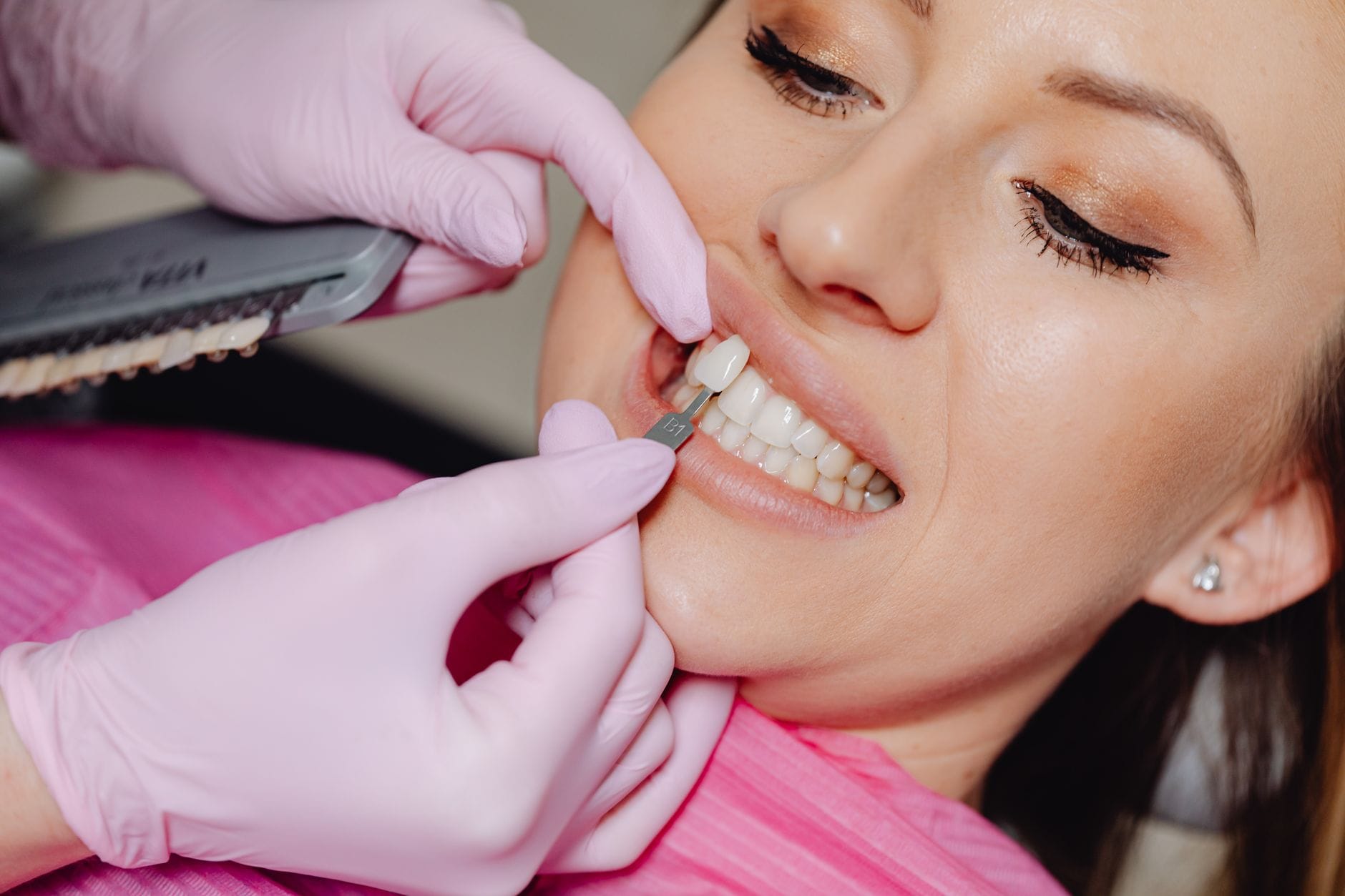
There is a big difference between wanting to improve your smile and wanting completely different teeth.
Most people considering cosmetic dentistry aren’t necessarily searching for an ultra-white, perfectly uniform “Hollywood smile.” They may simply want their teeth to look healthier, brighter, more balanced, or less distracting when they smile.
Maybe one tooth is chipped. Perhaps your teeth have gradually become darker. You might have uneven edges, a small gap, worn teeth, or older dental work that stands out more than it used to.
The best cosmetic results often aren’t the ones that make people immediately ask, “Did you get your teeth done?”
Instead, people may simply notice that your smile looks refreshed.
Creating that type of result requires thoughtful planning. A Cosmetic Dentist Worcester patients visit for a smile makeover should consider much more than tooth color. Shape, proportions, existing dental work, facial features, oral health, and personal preferences can all influence what looks natural.
If you’re considering cosmetic dentistry but don’t want your smile to look artificial, here’s what you should know.
What Does “Natural-Looking“ Actually Mean?
Natural doesn’t mean imperfect treatment.
It means creating a smile that looks like it belongs to you.
Take a close look at natural teeth and you’ll notice they aren’t all identical. Their shapes vary slightly. The way light reflects from each tooth isn’t exactly the same. Tooth edges may have subtle differences, and the relationship between your teeth, lips, and gums is unique.
That’s why simply making every tooth the same size, shape, and bright white color doesn’t automatically produce an attractive result.
A natural-looking smile should consider the complete picture.
Important Details May Include
- Tooth size
- Tooth shape
- Tooth proportions
- Tooth shade
- Position of individual teeth
- Visible tooth edges
- Gum appearance
- Existing restorations
- Facial proportions
- How much tooth shows when you smile
The objective is harmony.
Your teeth should complement one another rather than compete for attention.
Start by Identifying What Actually Bothers You
Before discussing treatment, ask yourself a simple question:
What specifically would I like to change?
“I want a better smile” is a reasonable starting point, but becoming more specific can make your cosmetic consultation much more productive.
Perhaps your concern is:
- Yellow or stained teeth
- One chipped tooth
- Several uneven tooth edges
- A noticeable gap
- Teeth that appear worn
- One tooth that looks different from the others
- Older dental work that doesn’t blend well
- A combination of several small concerns
You might discover that your entire smile doesn’t need a makeover at all.
Sometimes one or two changes can create the improvement you’re looking for.
Avoid the “Perfect Teeth“ Trap
Social media has changed the way people think about cosmetic dentistry.
Every day, we’re exposed to highly polished photographs of celebrities, influencers, and dramatic before-and-after smile transformations.
There’s nothing wrong with using these images as inspiration.
The problem begins when “perfect” becomes the goal.
Perfectly identical teeth aren’t necessarily natural-looking teeth.
Your Smile Isn’t a Template
A smile that looks beautiful on someone else may not look the same on you.
Differences in:
- Face shape
- Lip position
- Gum display
- Tooth proportions
- Skin tone
- Age
- Personal style
can all influence how a smile appears.
Instead of asking your dentist to copy someone else’s teeth, use reference photos to communicate preferences.
You might say:
“I like that these teeth aren’t extremely bright.”
Or:
“I like how natural the edges look.”
That’s much more useful than requesting an exact duplicate.
Tooth Color Should Complement Your Smile
Whiter teeth are one of the most common cosmetic goals.
But brighter doesn’t automatically mean better.
Natural tooth color exists across a range of shades, and the right cosmetic result depends on the individual.
If teeth become dramatically brighter than everything around them, the result may draw more attention than you intended.
Professional Teeth Whitening
Professional whitening may be an option when discoloration is the main concern.
Teeth can become stained or darker over time due to factors such as:
- Coffee
- Tea
- Certain foods
- Tobacco
- Aging
- Everyday staining
Your dentist can evaluate your teeth and discuss whether whitening is appropriate.
Existing Dental Work Matters
This is an important consideration.
Crowns, fillings, bonding, veneers, and other restorations generally don’t whiten in the same way natural teeth do.
Imagine whitening your natural teeth while a visible crown remains its original shade.
The difference could become more noticeable.
That’s why cosmetic treatment planning should consider your entire visible smile rather than focusing on tooth color alone.
Small Chips Can Have a Big Visual Impact
A tiny chip may not sound significant.
But if it’s on a front tooth, you might notice it constantly.
Your eyes naturally look for symmetry and balance. When one tooth edge is noticeably different from the tooth beside it, that small detail can stand out.
Depending on the situation, dental bonding may be considered to modify the shape of the affected area.
Why Subtlety Matters
The objective shouldn’t necessarily be to create a completely new tooth.
It may simply be to restore visual balance.
This is one reason conservative cosmetic treatments can sometimes make a meaningful difference.
The amount of dentistry performed isn’t what determines whether a smile makeover is successful.
Appropriateness matters more.
Dental Bonding and Natural Smile Design
Dental bonding uses tooth-colored material that can be shaped to address certain cosmetic concerns.
Depending on the patient’s needs, bonding may be considered for:
- Small chips
- Minor gaps
- Uneven edges
- Certain shape concerns
- Selected cosmetic imperfections
The material can be carefully shaped to complement neighboring teeth.
However, bonding isn’t the right solution for every situation.
Your dentist must consider the location of the tooth, amount of change required, bite forces, existing tooth structure, and other clinical factors.
A consultation is necessary to determine whether it makes sense for your smile.
Tooth Shape Can Change the Character of a Smile
People often focus heavily on tooth color, but shape can be just as influential.
Imagine two smiles with exactly the same tooth shade.
One has teeth with softer, rounded edges.
The other has more defined, angular shapes.
They may create completely different impressions.
Shape Shouldn’t Be Chosen in Isolation
Your dentist may consider how tooth shape relates to:
- Neighboring teeth
- Your lips
- Overall smile proportions
- Existing tooth structure
- Your preferences
Some patients prefer a softer appearance.
Others like more defined shapes.
There isn’t one universally correct design.
Understanding Dental Veneers
Veneers are often associated with complete smile transformations, but they shouldn’t automatically be the first recommendation for every cosmetic concern.
Veneers cover the visible front surface of selected teeth and may be considered in certain situations involving multiple aesthetic concerns.
These might include:
- Shape differences
- Certain types of discoloration
- Visible wear
- Chips
- Tooth proportions
- Small spacing concerns
Natural Veneers Shouldn’t Look Like “Veneers“
Ideally, cosmetic dental work should integrate with your smile.
That means considering shade, shape, proportions, and the relationship between treated and untreated teeth.
If only selected teeth are being treated, blending becomes particularly important.
The goal isn’t for people to identify which teeth received treatment.
It’s for the smile to work as a whole.
Don’t Automatically Treat Every Tooth
A common misconception about smile makeovers is that every visible tooth must be changed.
That isn’t necessarily true.
A personalized approach starts by determining which teeth are actually contributing to your concern.
Perhaps your smile looks uneven because of one chipped tooth.
Maybe two visible restorations are creating a color mismatch.
Or perhaps tooth discoloration is the main issue and shape doesn’t need to change at all.
Ask your Cosmetic Dentist Worcester whether a more conservative treatment plan could accomplish your goals.
Your Gums Are Part of Your Smile Too
When evaluating smile aesthetics, patients naturally focus on teeth.
But gums frame the teeth.
Changes in gum health or appearance can influence the overall balance of a smile.
Before cosmetic treatment, your dentist should evaluate your gums and determine whether there are health concerns that need attention.
Healthy gums provide an important foundation for cosmetic dental care.
If you experience persistent bleeding, swelling, tenderness, or other gum changes, mention them during your consultation.
Don’t focus so much on cosmetic concerns that you overlook oral health.
Older Dental Work Can Change the Appearance of Your Smile
Dental restorations that once blended nicely may become more noticeable over time.
Your natural teeth can change in color while a restoration remains relatively stable.
Older fillings may become more visible.
A crown on a front tooth may no longer match surrounding teeth as closely as you’d like.
If this is what bothers you, tell your dentist.
Don’t Replace Dental Work Only Because It’s Old
Age alone doesn’t automatically mean a restoration needs replacement.
Your dentist should evaluate its condition, function, and appearance before recommending treatment.
If a restoration is functioning appropriately but you have a cosmetic concern, your dentist can explain available options and considerations.
The decision should be based on your individual situation.
Tooth Wear Can Make a Smile Look Different
Teeth naturally experience years of use.
For some patients, tooth wear becomes increasingly visible over time.
You may notice:
- Shorter-looking front teeth
- Flattened edges
- Small chips
- Uneven tooth lengths
- Changes in overall smile proportions
Before simply restoring worn areas, it’s important to consider why the wear developed.
Address the Cause, Not Just the Appearance
Grinding or clenching may contribute to tooth wear for some patients.
Bite-related forces or other habits may also play a role.
If the underlying cause isn’t considered, focusing exclusively on appearance may not provide a complete solution.
A thoughtful cosmetic plan should look at both how the teeth appear and how they function.
A Smile Makeover Doesn’t Need to Happen All at Once
Some patients assume cosmetic dentistry requires committing to a large treatment plan immediately.
It doesn’t always.
Depending on your needs, treatment may be approached in stages.
For example, your plan might begin with:
- Addressing oral health concerns.
- Completing professional cleaning or preventive care.
- Considering tooth color.
- Evaluating remaining shape or restoration concerns.
- Deciding whether additional cosmetic treatment is necessary.
You may discover that you’re satisfied after an earlier stage.
That’s perfectly reasonable.
Consider Your Lifestyle Before Choosing Treatment
Cosmetic dentistry doesn’t exist separately from everyday life.
Your habits can influence which treatment is appropriate and how you maintain the result.
Tell your dentist if you:
- Grind or clench your teeth
- Frequently chew ice
- Participate in activities where teeth could be injured
- Drink significant amounts of coffee or tea
- Smoke or use tobacco
- Have difficulty maintaining certain oral hygiene routines
This information helps create a more realistic treatment plan.
Think About Maintenance Before Treatment
Every cosmetic dental treatment requires some form of ongoing care.
Even professional whitening isn’t something you complete once and forget forever.
Teeth can become stained again.
Restorations require monitoring.
Bonding can experience wear.
Your natural teeth and gums continue to need preventive care.
Before starting treatment, ask:
- How should I maintain the result?
- Are there foods or habits I should avoid?
- Will I need future maintenance?
- How will this treatment be monitored?
- What should I do if something chips or feels different?
Understanding maintenance before treatment can help you make a better decision.
How to Communicate Your Cosmetic Goals
Your dentist can’t see your smile through your eyes.
Something that appears minor clinically may bother you every day.
Another feature that seems noticeable to someone else may not concern you at all.
Be open about what matters.
Try Describing the Feeling
You might say:
“I don’t want people to immediately know I’ve had dental work.”
“I want my teeth brighter, but still natural.”
“I want to fix the chip without changing everything else.”
“I’d like my smile to look more balanced.”
“I want an improvement, but I still want to look like myself.”
These statements communicate your expectations much more clearly than simply saying you want “perfect teeth.”
Questions to Ask Before a Natural Smile Makeover
Before beginning cosmetic treatment, consider asking:
- What is actually causing the concern I see?
- What’s the most conservative treatment option?
- Can we improve only the teeth that bother me?
- What shade would look natural for my smile?
- How will treated teeth blend with untreated teeth?
- What results should I realistically expect?
- Will my natural tooth structure need to be changed?
- What maintenance will treatment require?
- How might my existing dental work affect the result?
- Can treatment be completed in stages?
The answers can help you determine whether the proposed plan matches your expectations.
Your Oral Health Still Comes First
A beautiful smile isn’t only about color and symmetry.
Healthy teeth and gums should remain the foundation.
Before elective cosmetic treatment, your dentist may need to address concerns such as decay, damaged teeth, gum problems, or other oral health issues.
This isn’t an unnecessary delay.
It’s part of responsible treatment planning.
You want cosmetic improvements built on the strongest possible foundation.
Choosing the Right Cosmetic Dentist
If natural-looking results are your priority, communication becomes especially important.
When choosing a Cosmetic Dentist Worcester, look for a dental team willing to discuss not only what can be changed, but also what may be worth leaving alone.
A good cosmetic conversation should include:
- Your specific concerns
- Your preferred level of change
- Oral health
- Treatment alternatives
- Conservative options
- Realistic expectations
- Long-term maintenance
You shouldn’t feel pressured to pursue a dramatic transformation if that’s not what you want.
A Better Smile Doesn’t Have to Be a Different Smile
Some of the most satisfying cosmetic changes can be subtle.
A brighter shade.
A repaired chip.
A smoother edge.
A restoration that blends more naturally.
A better sense of balance.
Cosmetic dentistry doesn’t have to transform you into someone else. It can simply help remove the details that distract you from enjoying your own smile.
At Unique Dental of Worcester, cosmetic treatment can begin with a conversation about what you actually want to change—not a predetermined idea of what your smile should look like.
If you’ve been searching for a Cosmetic Dentist Worcester because you want a smile that looks healthier, more balanced, and refreshed without appearing artificial, personalized treatment planning is an important first step.
Tell your dentist what bothers you, what you like about your existing smile, and how noticeable you want the change to be.
Your ideal result doesn’t have to look “perfect.”
It should look like you—just with a smile you feel more comfortable sharing.