
Have you ever wished you could change several things about your smile at once?
Maybe your teeth have become stained over the years. Perhaps you have a chipped front tooth, a small gap, or uneven teeth that make you hesitant to smile in photographs.
When more than one cosmetic concern affects your smile, choosing a single treatment may not address everything you want to improve.
That’s where the idea of a smile makeover comes in.
A smile makeover isn’t one specific dental procedure. It’s a personalized approach that considers your teeth, gums, facial features, and cosmetic goals to determine which treatments may help create the appearance you’re looking for.
Some patients need only one or two relatively simple procedures. Others may benefit from a more comprehensive treatment plan.
If you’re searching for a Cosmetic Dentist Worcester residents can consult about improving their smiles, understanding how smile makeover planning works can help you make confident decisions.
What Exactly Is a Smile Makeover?
A smile makeover involves planning one or more dental treatments to improve the appearance of a person’s smile.
Unlike a standard dental procedure that focuses on a single concern, a smile makeover considers how different elements work together.
These elements may include:
- Tooth color.
- Tooth size and shape.
- Spacing between teeth.
- Tooth alignment.
- Gum appearance.
- Existing dental restorations.
- Overall smile proportions.
The goal isn’t necessarily to create a perfectly symmetrical smile.
Instead, treatment should reflect your personal preferences while respecting your natural teeth and oral health.
Start by Understanding What You Want to Change
Before exploring treatments, take a moment to identify what bothers you about your smile.
This sounds simple, but it’s one of the most important steps.
Ask Yourself These Questions
- Do I want my teeth to look brighter?
- Am I concerned about a particular chipped tooth?
- Do my front teeth look uneven?
- Are gaps or crowded teeth affecting my smile?
- Do older fillings or crowns stand out?
- Am I looking for a subtle improvement or a noticeable change?
Your answers help guide the conversation with your dentist.
Be Specific About Your Goals
Saying “I want a better smile” is a good starting point.
However, explaining that you want your front teeth to appear more even or that you dislike a particular stain gives your dentist more useful information.
It also helps prevent unnecessary treatment.
Why Oral Health Comes Before Cosmetic Changes
One of the most important parts of smile makeover planning is evaluating your dental health.
Even if your main concern is cosmetic, healthy teeth and gums provide the foundation for successful treatment.
Dental Problems That May Need Attention First
These include:
- Untreated cavities.
- Gum inflammation.
- Active periodontal disease.
- Cracked or weakened teeth.
- Dental infections.
- Significant teeth grinding.
- Problems with existing restorations.
For example, placing a cosmetic restoration on a tooth with untreated decay wouldn’t address the underlying problem.
A responsible treatment plan considers oral health before appearance.
Step 1: Schedule a Cosmetic Dental Consultation
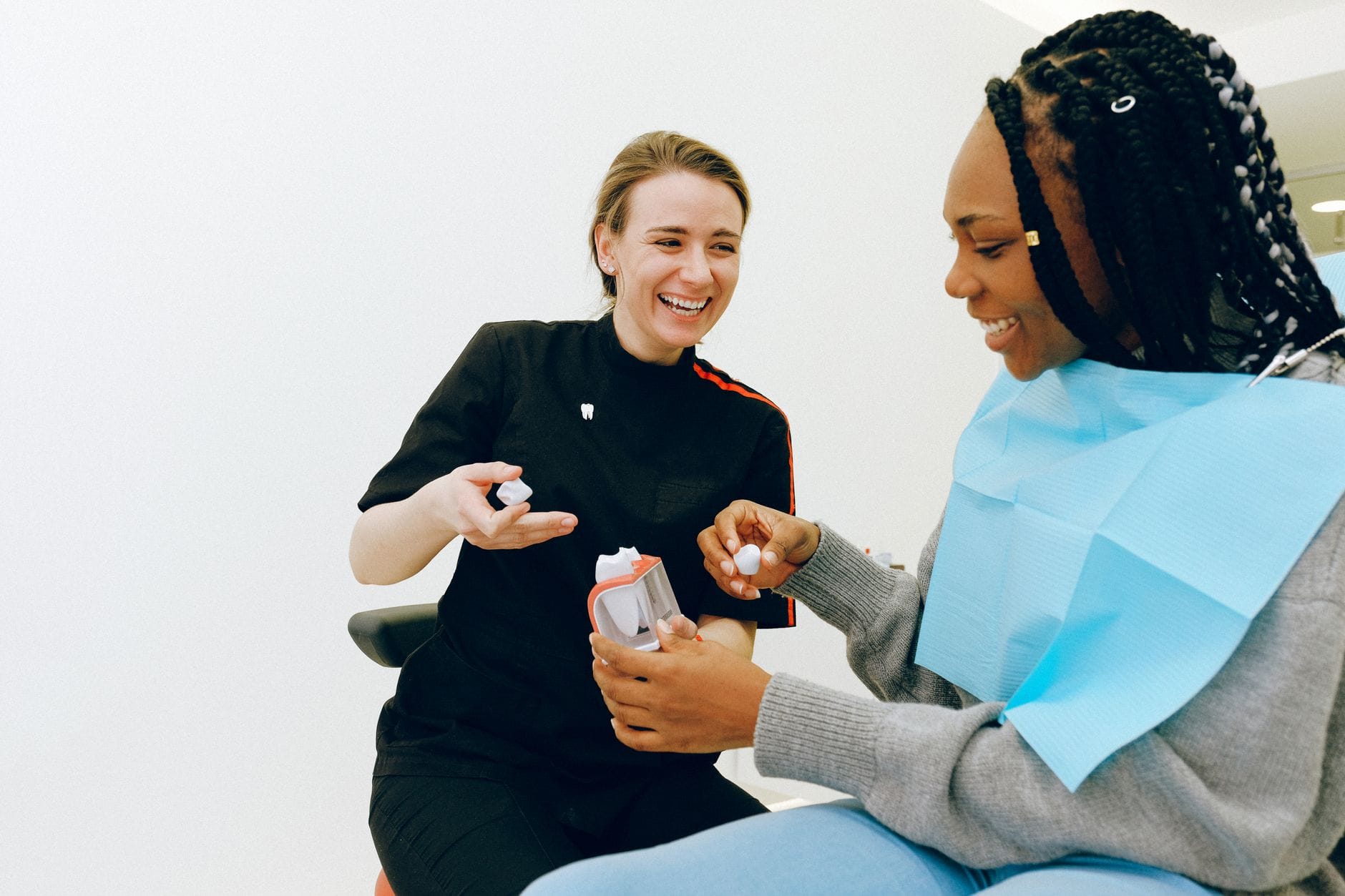
A consultation gives you an opportunity to discuss your concerns and learn which treatments may be suitable.
When meeting with a Cosmetic Dentist Worcester patients are considering, expect the conversation to focus on both your goals and your dental health.
What May Happen During the Visit?
Depending on your needs, the dentist may:
- Review your dental and medical history.
- Examine your teeth and gums.
- Evaluate your bite.
- Discuss existing restorations.
- Ask about your cosmetic preferences.
- Recommend diagnostic records when appropriate.
- Explain possible treatment approaches.
Some practices may use photographs, digital scans, or smile previews to support planning.
These tools vary by office.
Step 2: Explore the Treatments That Fit Your Goals
Different cosmetic concerns require different solutions.
A smile makeover may involve one treatment or a combination of procedures.
Teeth Whitening
Whitening may be considered when the primary concern is discoloration.
It can lighten certain stains on natural teeth.
However, whitening doesn’t change the color of existing crowns, veneers, or fillings.
Dental Bonding
Bonding may help repair small chips, reshape uneven edges, or improve the appearance of minor gaps.
It can be a conservative option for selected concerns.
Dental Veneers
Veneers may be considered when patients want to change the visible color, shape, or proportions of selected teeth.
Some veneer treatments require permanent enamel removal.
Orthodontic Treatment
If teeth are crowded, rotated, or noticeably misaligned, orthodontic treatment may be recommended.
Correcting tooth position can sometimes reduce the need for more extensive cosmetic restorations.
Dental Crowns
Crowns may be appropriate when a tooth requires significant structural restoration.
They can also improve appearance, but preserving healthy tooth structure remains important.
Tooth Replacement
Missing teeth may affect both smile appearance and function.
Depending on individual circumstances, replacement options may include bridges, dentures, or dental implants.
Not every treatment is available or appropriate for every patient.
Step 3: Think About Your Smile as a Whole
One of the biggest mistakes in cosmetic dentistry is focusing on individual teeth without considering the entire smile.
A front tooth might look attractive on its own but appear unnatural if its shape or color doesn’t complement neighboring teeth.
Tooth Proportions
The relative size and shape of teeth influence how balanced a smile appears.
Smile Line
Your smile line describes how the visible edges of your teeth relate to your lips when you smile.
Tooth Shade
Very bright teeth aren’t automatically more attractive.
A natural-looking shade often complements surrounding teeth and facial features.
Gumline Appearance
The shape and health of the gums also contribute to smile aesthetics.
Facial Features
Your lips, facial proportions, and natural expressions all influence how your smile looks.
These details help explain why personalized planning matters.
Step 4: Decide Between Subtle and Dramatic Changes
Not every patient wants a completely different smile.
Some prefer small adjustments that friends and family may barely notice.
Others want a more noticeable transformation.
Subtle Smile Improvements
These may involve:
- Addressing one chipped tooth.
- Improving a minor gap.
- Lightening tooth color.
- Adjusting an uneven edge.
More Comprehensive Changes
A larger treatment plan may involve multiple teeth or several procedures.
However, more treatment isn’t necessarily better.
The appropriate approach should be based on your goals, oral health, and the benefits and limitations of each option.
Step 5: Understand Treatment Costs
Smile makeover costs vary considerably.
A plan involving minor bonding is very different from one requiring multiple restorations or orthodontic treatment.
What Affects the Total Cost?
Factors may include:
- Number of teeth involved.
- Types of procedures selected.
- Materials used.
- Complexity of treatment.
- Diagnostic requirements.
- Number of appointments.
- Additional restorative care.
Ask for a Written Estimate
Before beginning treatment, request a clear explanation of expected costs.
Ask whether the estimate includes all planned procedures and whether additional treatment could change the total.
What About Dental Insurance?
Cosmetic procedures performed solely to improve appearance are often excluded from insurance coverage.
However, treatment involving medically necessary restoration may have different coverage considerations.
Always confirm your specific benefits.
Step 6: Create a Realistic Treatment Timeline
Some cosmetic treatments can be completed relatively quickly.
Others require multiple appointments or several months of care.
Why Treatment Time Varies
The timeline depends on the procedures involved.
For example:
- Dental bonding may sometimes be completed in one appointment.
- Porcelain veneers commonly require planning and fabrication.
- Orthodontic treatment generally takes considerably longer.
- Dental implants may involve healing periods before final restoration.
Should Every Procedure Be Done at Once?
Not necessarily.
Some treatments need to occur in a particular sequence.
For example, if whitening and tooth-colored restorations are both planned, whitening may be completed first so the restorations can be matched to the resulting tooth shade.
Your dentist can recommend the appropriate order.
Step 7: Understand the Long-Term Commitment
A smile makeover doesn’t end when the final procedure is completed.
Cosmetic restorations require maintenance, and some may eventually need replacement.
Daily Habits Matter
Brush twice daily with fluoride toothpaste and clean between your teeth every day.
Protect Your Teeth
Avoid chewing ice, biting hard objects, or using your teeth to open packages.
Address Grinding
If you grind or clench your teeth, ask whether a protective appliance is appropriate.
Maintain Dental Appointments
Regular examinations help monitor your teeth, gums, and restorations.
Common Smile Makeover Mistakes to Avoid
Planning carefully can help you avoid unnecessary disappointment.
Choosing Treatments Based Only on Photos
Before-and-after pictures can provide inspiration, but your results will depend on your individual teeth and oral health.
Expecting Perfect Symmetry
Natural smiles contain subtle differences.
Trying to make every tooth identical may not create the most natural-looking result.
Ignoring Maintenance Costs
Some cosmetic restorations may eventually require repair or replacement.
Consider long-term costs, not just the initial price.
Rushing Into Irreversible Treatment
Certain procedures involve permanent changes to natural teeth.
Ask about conservative alternatives before making a decision.
Overlooking Functional Concerns
Appearance matters, but comfortable chewing, healthy gums, and a stable bite are equally important.
Questions to Ask Before Starting a Smile Makeover
A productive consultation should leave you feeling informed rather than pressured.
Consider asking:
- Which cosmetic concerns can realistically be improved?
- What treatments are suitable for my teeth?
- Are there less invasive alternatives?
- Will any healthy tooth structure need to be removed?
- How many appointments will treatment require?
- What are the possible risks?
- How long might the results last?
- What maintenance will be necessary?
- What is the estimated total cost?
- What happens if I decide to treat only one concern?
These questions can help you choose a treatment plan that aligns with your priorities.
Frequently Asked Questions About Smile Makeovers
Is a Smile Makeover the Same as Getting Veneers?
No.
Veneers are one possible cosmetic treatment, while a smile makeover may involve several different procedures.
Can I Improve My Smile Without Veneers?
Yes.
Depending on your concerns, whitening, bonding, orthodontic treatment, or other options may be appropriate.
How Long Does a Smile Makeover Take?
Treatment time depends on the procedures involved.
Some plans require only a few appointments, while others may take months.
Are Smile Makeovers Permanent?
Not necessarily.
Whitening results can fade, bonding can wear, and restorations may eventually require replacement.
Can I Start With Just One Tooth?
Yes.
A smile makeover doesn’t have to involve every visible tooth.
In some cases, improving one tooth may achieve the result you’re looking for.
Your Smile Makeover Should Be About You
A successful smile makeover isn’t about copying someone else’s teeth or following the latest cosmetic dentistry trend.
It’s about understanding what you’d like to improve and choosing treatments that respect your natural smile.
For some people, that means addressing a small chip or uneven edge.
For others, it means exploring a combination of cosmetic and restorative options.
Whatever your goals, careful planning, realistic expectations, and long-term maintenance should guide the process.
If you’re looking for a Cosmetic Dentist Worcester residents can contact to discuss a personalized smile makeover, a consultation is a practical place to begin.
At Unique Dental of Worcester, patients can discuss their cosmetic concerns and ask about available treatments that may help improve their smiles.
Take the First Step Toward Your Ideal Smile
You don’t need to know exactly which cosmetic procedure you want before scheduling a dental consultation.
You only need to know what you’d like to change.
Contact Unique Dental of Worcester to ask about available cosmetic dentistry services and explore your smile makeover options.