
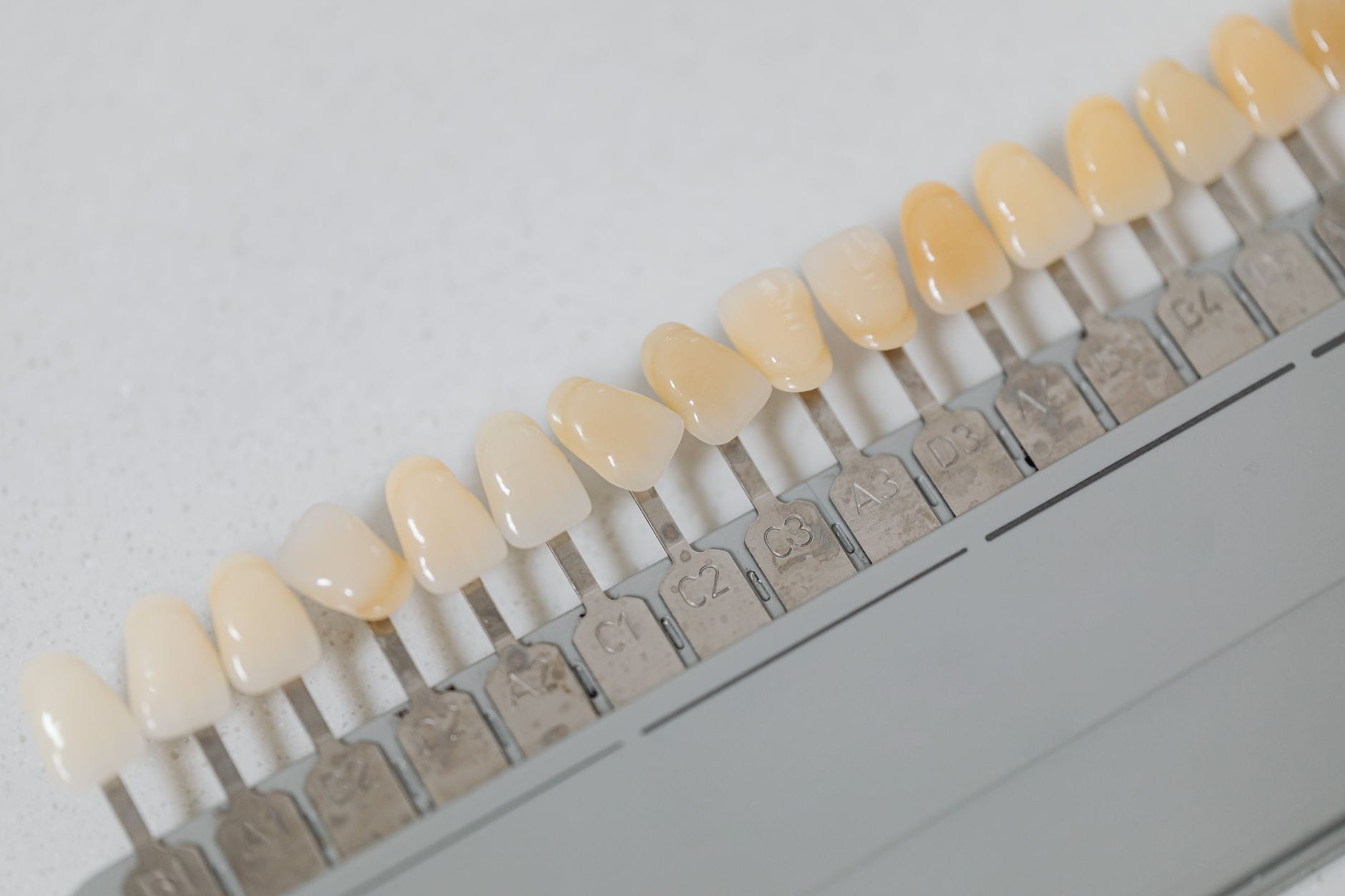
Deciding to improve your smile can be exciting.
You may have spent months—or even years—thinking about changing something. Perhaps you want brighter teeth, want to repair a chip, dislike the appearance of older dental work, or are finally ready to ask what can be done about several concerns at once.
Once you’ve made that decision, it’s tempting to jump directly to the final result.
But successful cosmetic dentistry begins well before treatment.
The preparation stage gives you an opportunity to understand your oral health, define what you actually want, learn about your options, discuss realistic expectations, and think about how you’ll maintain your smile afterward.
If you’re planning to meet with a Cosmetic Dentist Worcester, arriving prepared doesn’t mean you need to know dental terminology or decide which procedure you want. It simply means knowing your concerns, being ready to ask questions, and understanding that cosmetic treatment should be personalized to your teeth and goals.
Here’s how to prepare for the process.
Step 1: Decide What You Actually Want to Change
Before thinking about veneers, whitening, bonding, or any other procedure, think about your smile.
What bothers you?
This sounds simple, but many patients find it surprisingly difficult to answer.
You might initially think, “I just don’t like my smile.”
Look more closely.
Is the issue primarily color?
Shape?
Spacing?
One particular tooth?
Several uneven edges?
Visible dental work?
Create a Smile Wish List
Write down the specific concerns you notice.
For example:
- “My teeth look darker than I’d like.”
- “One front tooth has a noticeable chip.”
- “I don’t like this small space.”
- “My front teeth look worn.”
- “This older crown stands out.”
- “The edges of my teeth aren’t even.”
- “I want my smile to look fresher overall.”
Then put those concerns in order of importance.
This can make your consultation much more productive.
Step 2: Separate Your Priorities From Your Possibilities
Modern dentistry offers many ways to modify a smile.
That doesn’t mean you need all of them.
Patients can become overwhelmed when they begin researching cosmetic dentistry online because every treatment starts to feel necessary.
Instead, divide your thinking into two categories.
Your Priorities
These are the things that genuinely bother you.
Your Possibilities
These are procedures you’ve heard about or seen online.
Start with priorities.
Your dentist can help determine which possibilities, if any, are appropriate.
Step 3: Schedule a Complete Dental Evaluation
Cosmetic dentistry shouldn’t begin with appearance alone.
Your teeth and gums need to be evaluated.
A dental problem can exist even if it isn’t currently painful.
Before elective cosmetic treatment, your dentist may need to assess:
- Tooth health
- Gum health
- Existing restorations
- Areas of wear
- Chips or cracks
- Bite-related concerns
- Previous dental treatment
- Other relevant oral health conditions
If something requires treatment, your cosmetic timeline may need to change.
Health Creates the Foundation
Think of cosmetic dentistry like renovating a house.
You wouldn’t install an expensive new kitchen while ignoring a structural problem underneath it.
Similarly, cosmetic changes should ideally be planned around a healthy and stable foundation.
Step 4: Be Honest About Your Dental History
Don’t worry about being judged.
If you haven’t visited a dentist in several years, say so.
If you’ve had extensive dental treatment, mention it.
If you’ve had previous cosmetic dentistry that you weren’t satisfied with, explain what happened.
If you’re nervous about treatment, tell your dental team.
Your history provides context.
Important Information to Discuss
Depending on your situation, tell your dentist about:
- Previous dental procedures
- Existing crowns or fillings
- Previous orthodontic treatment
- Tooth sensitivity
- Grinding or clenching
- Past dental injuries
- Gum concerns
- Previous cosmetic treatment
- Any changes you’ve recently noticed
The more complete the picture, the easier it becomes to discuss appropriate options.
Step 5: Understand That Whitening May Affect the Plan
If you’re considering a smile makeover involving both natural teeth and visible restorations, tooth color requires careful planning.
Natural teeth may respond to whitening.
Crowns, veneers, bonding, and fillings generally don’t change shade in the same way.
This matters when several treatments are being combined.
Why Treatment Order Can Matter
Suppose you’re unhappy with both the color of your natural teeth and an older restoration on a front tooth.
If appropriate, your dentist may discuss tooth color as part of the overall treatment sequence before planning the final appearance of certain restorations.
The exact approach depends on your situation.
The important thing is not to treat every cosmetic concern as a separate project.
Your smile should be planned as a whole.
Step 6: Think About How Natural You Want the Result to Look
“Natural” means different things to different people.
One patient may want a noticeable transformation.
Another wants friends to say:
“You look great. Did you do something different?”
without immediately recognizing dental treatment.
Tell your dentist where you fall on that spectrum.
Think About These Preferences
Would you prefer:
- A subtle improvement or dramatic change?
- A naturally brighter shade or a very bright smile?
- Softer tooth shapes or more defined shapes?
- Minor corrections or a more comprehensive makeover?
- Treatment focused only on specific teeth?
There isn’t one correct answer.
Your preferences matter.
Step 7: Bring Inspiration—But Use It Correctly
You can bring photographs to your cosmetic consultation.
They can help communicate your preferences.
Maybe you like the brightness of one smile.
Perhaps you like the softer tooth shapes in another.
Maybe you have an older photograph of yourself and want to restore some of the characteristics your smile had years ago.
All of these can be useful.
Don’t Ask for an Exact Copy
Another person’s smile was created by their:
- Tooth structure
- Facial features
- Lips
- Gumline
- Tooth proportions
- Overall appearance
Your result should be designed around you.
Use photos as a communication tool rather than a blueprint.
Step 8: Prepare Questions Before the Consultation
It’s easy to forget questions once you’re sitting in the dental chair.
Write them down.
Your list doesn’t need to be complicated.
Questions Worth Asking
- What treatment options could address my concerns?
- Which option is the most conservative?
- Is there anything I should treat before cosmetic dentistry?
- What results can I realistically expect?
- How much tooth structure is involved?
- Can treatment be completed in stages?
- What maintenance will I need?
- How long might treatment take?
- What alternatives should I consider?
- How will treatment affect the overall appearance of my smile?
When speaking with a Cosmetic Dentist Worcester, don’t hesitate to ask follow-up questions if something isn’t clear.
You should understand the treatment you’re considering.
Step 9: Be Realistic About Timing
Cosmetic dentistry isn’t always something you should schedule at the last minute.
If you’re preparing for a major event, give yourself enough time.
Patients frequently consider cosmetic treatment before:
- Weddings
- Graduations
- Reunions
- Professional events
- Vacations
- Important photographs
If you have a deadline, tell your dentist during the first consultation.
Why Starting Early Helps
Your initial idea may change after your examination.
You may need preventive or restorative treatment first.
Your desired cosmetic procedure may require several appointments.
Starting early gives you more flexibility.
Don’t assume every cosmetic change can be completed a few days before your event.
Step 10: Consider Your Budget Before You Start
Cost is a practical part of treatment planning.
You shouldn’t feel uncomfortable discussing it.
If you have several cosmetic goals, ask whether treatment can be prioritized or completed in stages.
For example, you might decide to address your biggest concern first and revisit other changes later.
Ask About Different Approaches
If more than one treatment could potentially address your concern, ask about the differences.
Consider:
- Treatment complexity
- Long-term maintenance
- Expected result
- Number of appointments
- Whether natural tooth structure is altered
- Cost
The most expensive option isn’t automatically the right option.
The least expensive isn’t automatically the best either.
The goal is appropriate treatment that aligns with your priorities.
Step 11: Address Grinding and Clenching
Do you wake up with jaw tension?
Have you noticed flattened tooth edges?
Do you clench your jaw while working, driving, or concentrating?
Tell your dentist.
Grinding and clenching can place significant forces on teeth and dental restorations.
If you’re considering cosmetic treatment, those forces shouldn’t be ignored.
Look for Possible Signs
Discuss symptoms such as:
- Worn tooth edges
- Small repeated chips
- Jaw fatigue
- Morning jaw discomfort
- Tooth sensitivity
- Changes in tooth shape
These symptoms can have different causes, so professional evaluation is important.
If grinding or clenching is contributing to wear, your dentist can discuss appropriate next steps.
Step 12: Stop Using Your Teeth as Tools
Your teeth weren’t designed to open packages.
They aren’t bottle openers.
And they shouldn’t be used to cut plastic tags.
If you regularly use your teeth for tasks like these, now is a good time to stop—especially if you’re preparing for cosmetic dental work.
Be Careful With Hard Objects
Habits such as chewing ice, pens, or other hard objects may increase the risk of damaging natural teeth or dental restorations.
Cosmetic dentistry can improve your smile.
Your daily habits help protect it.
Step 13: Improve Your Home-Care Routine
Don’t wait until after cosmetic treatment to start caring more carefully for your teeth.
Build the routine now.
That generally means following your dental team’s recommendations for:
- Brushing
- Cleaning between teeth
- Maintaining gum health
- Attending dental visits
- Caring for existing restorations
The exact recommendations may differ depending on your oral health.
Ask your dentist or hygienist if there are areas you’re consistently missing.
Step 14: Think About Your Everyday Food and Drink Habits
Your lifestyle doesn’t have to become restrictive because you’re considering cosmetic dentistry.
However, understanding your habits can help you maintain certain results.
For example, frequent consumption of strongly pigmented beverages may contribute to staining over time.
Instead of worrying about every cup of coffee, ask your dentist what habits are relevant to the treatment you’re considering.
Consistency Is More Important Than Perfection
Maintaining a cosmetic result doesn’t require living on water and avoiding every enjoyable food.
It means understanding how your habits may affect your smile and making reasonable choices.
Step 15: Don’t Schedule Treatment Because Someone Else Wants It
Cosmetic dentistry is personal.
If you genuinely like your smile, you don’t need to change it because someone else thinks you should.
Partners, family members, friends, social media, and beauty trends can all influence how we see ourselves.
Try to separate external opinions from your own preferences.
Ask yourself:
“If nobody else commented on my teeth, would I still want this change?”
If the answer is yes, then a consultation may be worthwhile.
Step 16: Don’t Expect Cosmetic Dentistry to Create a Different Life
Improving your smile may help you feel more comfortable with your appearance.
But dentistry can’t guarantee confidence, professional success, better relationships, or happiness.
Be cautious about putting too much emotional pressure on the final result.
A healthier perspective is:
“There’s something about my smile that bothers me, and I’d like to see whether it can be improved.”
That creates realistic expectations.
Step 17: Understand the Treatment Before Saying Yes
Before moving forward, you should understand what’s being done.
Ask your dentist to explain the process in plain language.
Make Sure You Understand
- The purpose of treatment
- What will happen during treatment
- What the expected outcome is
- What limitations exist
- Whether alternatives are available
- What maintenance will be necessary
- What the long-term considerations are
Never feel embarrassed about saying:
“Can you explain that again?”
It’s your treatment.
You deserve to understand it.
Step 18: Ask Whether a Conservative Option Exists
More treatment doesn’t automatically produce a better smile.
If you’re concerned about a small chip, you may not need an extensive makeover.
If discoloration is your main issue, you may not need to change tooth shape.
If one restoration stands out, you may not need to alter every surrounding tooth.
Ask:
“Is there a more conservative way to achieve what I want?”
A thoughtful Cosmetic Dentist Worcester should be able to discuss the benefits and limitations of different approaches.
Step 19: Prepare for Maintenance Before Treatment Begins
Cosmetic dentistry isn’t “set it and forget it.”
Your teeth continue to experience everyday use.
Natural teeth can stain.
Bonding can experience wear.
Restorations need monitoring.
Gums and surrounding teeth still require preventive care.
Ask About Your Future Routine
Before treatment, find out:
- How should I clean the area?
- Are there habits I should avoid?
- Will I need periodic maintenance?
- What changes should I watch for?
- How frequently should my dentist monitor the treatment?
- What should I do if something feels different?
Long-term planning should be part of cosmetic dentistry from the beginning.
Step 20: Give Yourself Time to Make a Decision
Unless you’re dealing with a dental health issue that requires prompt attention, you shouldn’t feel pressured into elective cosmetic treatment.
Take time to understand your options.
Ask questions.
Think about your priorities.
Review the plan.
If you’re uncertain, tell your dentist.
Cosmetic treatment should feel like an informed decision—not an impulse purchase.
Your Cosmetic Consultation Is a Conversation
One of the biggest misconceptions about cosmetic dentistry is that you need to arrive knowing exactly what you want.
You don’t.
You don’t need to understand every difference between bonding, veneers, crowns, and whitening.
You don’t need to know dental terminology.
And you definitely don’t need to design your own treatment plan from internet research.
Your job is to explain what bothers you.
Your dentist’s job is to evaluate your oral health and explain appropriate options.
Together, you can determine what makes sense.
Preparation Can Make Your Smile Transformation Better
Cosmetic dentistry isn’t just about what happens during the procedure.
The planning matters.
Start by identifying the features you’d genuinely like to improve. Make sure your oral health is evaluated. Discuss your dental history. Consider your timeline, lifestyle, habits, budget, and expectations.
Most importantly, understand your options before making a decision.
At Unique Dental of Worcester, cosmetic dentistry can begin with a personalized evaluation and a conversation about your goals rather than a one-size-fits-all treatment plan.
If you’re searching for a Cosmetic Dentist Worcester, preparing for your consultation can help you communicate more clearly and feel more confident about the choices ahead.
Your smile doesn’t need to match anyone else’s.
It simply needs a treatment plan designed around your individual needs, oral health, and goals.