
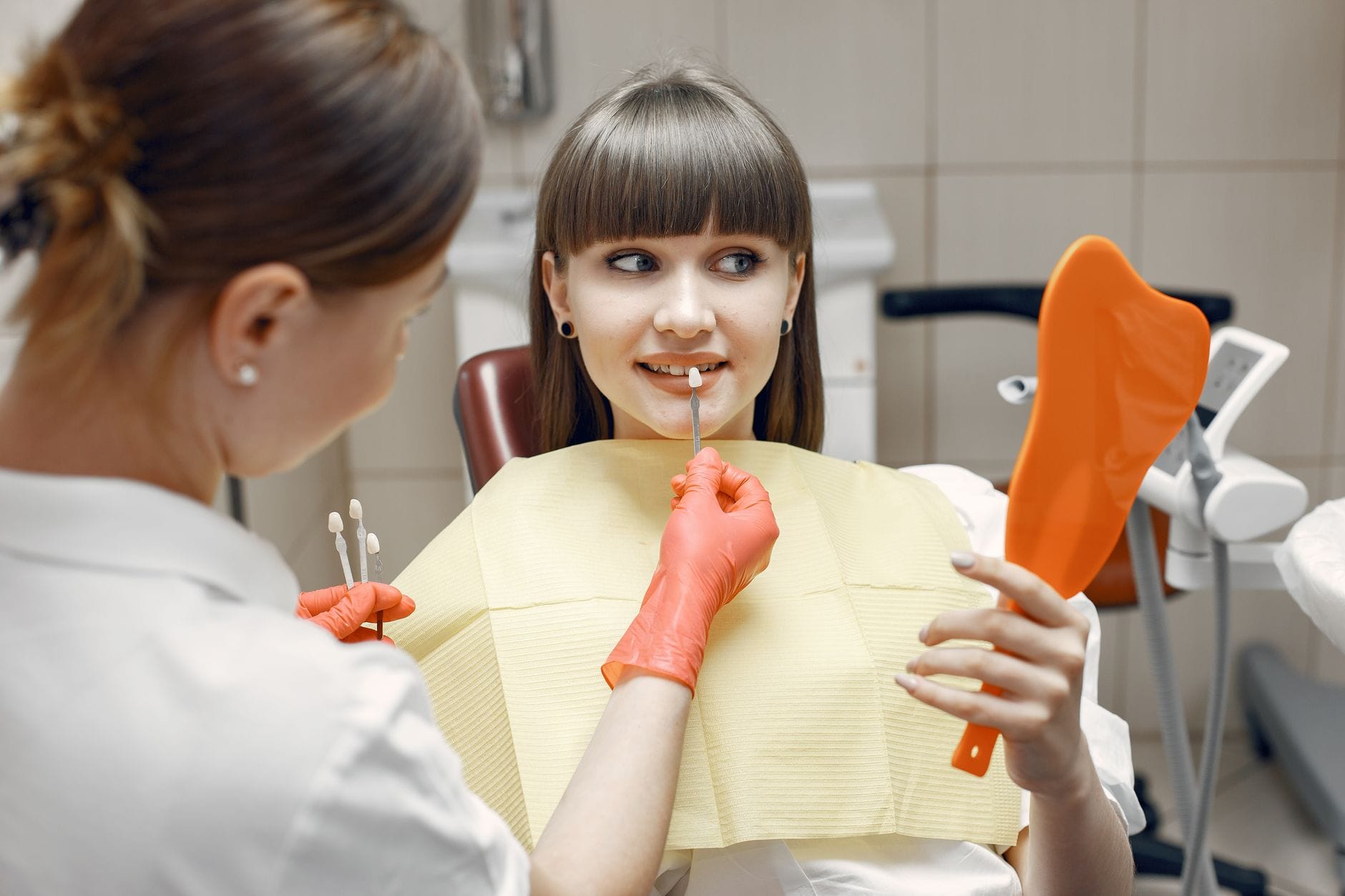
You brush your teeth twice a day, avoid skipping dental appointments, and take good care of your smile. Yet every time you look in the mirror, your teeth seem a little less white than they used to be.
Maybe it’s your morning coffee. Perhaps it’s years of drinking tea. Or you might simply be noticing the natural changes that happen as teeth age.
Whatever the reason, you’re not alone.
Teeth whitening is one of the most popular cosmetic dental treatments because it focuses on something many people notice immediately: tooth color.
But before buying a whitening kit or scheduling treatment, it’s worth understanding how whitening works, what results are realistic, and whether it’s suitable for your teeth.
If you’re searching for a Cosmetic Dentist Worcester residents can consult about teeth whitening, this guide will help you understand the options and make an informed decision.
Why Do Teeth Become Discolored?
Tooth discoloration doesn’t always mean someone has poor oral hygiene.
Even people who brush consistently can experience staining.
Understanding the cause is important because different types of discoloration respond differently to whitening.
External Tooth Stains
External stains develop on the tooth surface.
Common contributors include:
- Coffee and tea.
- Red wine.
- Tobacco products.
- Certain strongly colored foods.
- Plaque and tartar buildup.
Some surface stains can be reduced through professional dental cleaning.
Others may respond to whitening treatments.
Internal Tooth Discoloration
Internal discoloration develops within the tooth structure.
Possible causes include dental trauma, certain medications, developmental factors, and natural aging.
These stains may be more difficult to treat with conventional whitening.
Age-Related Changes
As people age, enamel may become thinner through wear, allowing more of the naturally yellowish dentin beneath it to show.
This can make teeth appear darker even without significant surface staining.
How Does Teeth Whitening Work?
Most whitening treatments use peroxide-based ingredients to break down certain stain molecules.
Common whitening agents include hydrogen peroxide and carbamide peroxide.
These ingredients penetrate tooth structure and help lighten discoloration.
However, whitening doesn’t work equally well for every person.
Results depend on several factors, including the type of staining, the original tooth shade, and the treatment method.
Professional Whitening vs. Store-Bought Products
Walk into almost any pharmacy, and you’ll find whitening toothpaste, strips, gels, and other products.
With so many options available, it’s natural to wonder whether professional whitening is necessary.
Over-the-Counter Whitening Products
Store-bought products may help reduce certain stains when used correctly.
However, whitening strength, application methods, and effectiveness vary.
Some products may also cause sensitivity or gum irritation.
Always follow manufacturer instructions and avoid excessive use.
Dentist-Supervised Whitening
Professional whitening involves evaluating oral health before recommending treatment.
Depending on the dental practice and patient’s needs, options may include in-office whitening or customized take-home trays.
Dentist supervision can help identify concerns that might make whitening unsuitable.
Which Option Is Better?
There isn’t one perfect choice for everyone.
Patients with mild staining may be satisfied with an appropriate over-the-counter product.
Others may benefit from professional evaluation and a more personalized approach.
Who Is a Good Candidate for Teeth Whitening?
Whitening is generally considered for patients who want to lighten the appearance of their natural teeth.
However, healthy teeth and gums are important considerations.
Before Whitening, Your Dentist May Check For:
- Untreated cavities.
- Gum inflammation.
- Exposed tooth roots.
- Existing sensitivity.
- Cracked teeth.
- Crowns, veneers, or fillings.
- The type and extent of discoloration.
Some dental concerns should be addressed before whitening begins.
Why Existing Restorations Matter
Whitening agents don’t lighten crowns, veneers, or tooth-colored fillings the same way they lighten natural teeth.
If you have visible restorations, whitening may create noticeable shade differences.
Your dentist can explain whether additional treatment might be needed to achieve your preferred appearance.
What Happens During a Teeth Whitening Consultation?
Before beginning treatment, a dental consultation helps establish realistic expectations.
When visiting a Cosmetic Dentist Worcester patients are considering for whitening, the process may include several steps.
1. Evaluating Your Oral Health
Your dentist examines your teeth and gums to identify potential problems.
2. Discussing Your Goals
You may be asked what shade you’re hoping to achieve and whether you have previously tried whitening products.
3. Reviewing Available Options
Your dentist can explain which treatments may be appropriate and what results are reasonably expected.
4. Discussing Risks and Maintenance
Potential sensitivity, gum irritation, treatment limitations, and future maintenance should be discussed before proceeding.
The exact process depends on the practice and whitening method.
Does Teeth Whitening Cause Sensitivity?
Tooth sensitivity is one of the most common temporary side effects of whitening.
Some patients notice discomfort when consuming cold beverages or breathing through their mouths.
Why Sensitivity Happens
Whitening agents can temporarily affect how teeth respond to temperature and other stimuli.
Sensitivity varies between patients.
How to Manage It
Your dentist may recommend:
- Adjusting the whitening schedule.
- Using toothpaste designed for sensitive teeth.
- Taking breaks between applications.
- Using a different whitening concentration.
- Stopping treatment if irritation becomes significant.
Never continue whitening through severe discomfort without professional advice.
How White Can Your Teeth Actually Get?
One of the biggest misconceptions about whitening is that everyone can achieve the same bright-white result.
Natural tooth color varies.
Some people have naturally warmer or more yellow tooth shades.
Others have discoloration that responds less predictably to bleaching.
Set Realistic Expectations
Whitening can improve tooth color, but it cannot guarantee a particular shade.
Results may also differ between individual teeth.
Natural-Looking Results Matter
The brightest possible shade isn’t necessarily the most flattering.
Many patients prefer a result that looks clean, healthy, and natural rather than artificially white.
Discuss your preferences with your dentist before treatment.
How Long Do Whitening Results Last?
Whitening results are not permanent.
Over time, teeth can gradually become stained again.
The duration of results depends on individual habits, oral hygiene, and the original cause of discoloration.
Habits That May Affect Results
Frequent consumption of coffee, tea, red wine, and other staining substances may contribute to discoloration.
Tobacco use can also cause noticeable staining.
Maintaining Your Results
To help maintain a brighter smile:
- Brush twice daily with fluoride toothpaste.
- Clean between your teeth every day.
- Attend recommended dental appointments.
- Drink water after consuming staining beverages.
- Avoid tobacco products.
- Follow your dentist’s instructions regarding touch-up treatments.
Avoid excessive whitening in an attempt to maintain a particular shade.
Common Teeth Whitening Mistakes to Avoid
Some whitening mistakes can lead to disappointing results or unnecessary discomfort.
Whitening Without Checking Dental Health
Using whitening products when you have untreated cavities or gum problems may cause discomfort.
A dental evaluation can help identify these concerns.
Overusing Whitening Products
Applying whitening products more frequently than directed doesn’t guarantee better results.
Excessive use can increase the risk of sensitivity and irritation.
Trying Unproven Home Remedies
Social media often promotes whitening methods involving lemon juice, charcoal, or abrasive household ingredients.
Acidic and abrasive methods may damage enamel or irritate oral tissues.
Expecting Whitening to Change Restorations
Crowns, veneers, and fillings generally don’t respond to bleaching like natural teeth.
This should be considered before treatment.
Is Professional Teeth Whitening Worth the Cost?
The value of whitening depends on your goals and expectations.
For someone bothered by noticeable staining, a brighter smile may improve satisfaction with their appearance.
However, whitening is an elective cosmetic treatment rather than a medical necessity in most cases.
Factors to Consider
Before choosing treatment, think about:
- Your budget.
- Your current oral health.
- The type of discoloration.
- Expected results.
- Potential sensitivity.
- Maintenance requirements.
Ask your dentist for a treatment estimate and clarification about any additional costs.
Frequently Asked Questions About Teeth Whitening
Can Whitening Damage My Enamel?
Whitening products used appropriately are generally considered safe for suitable patients.
However, improper or excessive use can increase the risk of sensitivity and irritation.
A dentist can help determine whether whitening is appropriate.
Does Whitening Work on Yellow Teeth?
Many types of yellow discoloration respond to peroxide-based whitening, but results vary.
Can I Whiten My Teeth if I Have Fillings?
Possibly, but fillings won’t change color like natural teeth.
A dentist should evaluate whether whitening could create an uneven appearance.
Should I Get a Cleaning Before Whitening?
A dental cleaning may be recommended when plaque or tartar is present.
Your dentist can advise whether cleaning is needed before whitening.
Is Whitening Suitable for Everyone?
No. Whitening may not be appropriate for certain patients, including those with untreated dental problems or particular types of discoloration.
Professional evaluation is recommended.
A Brighter Smile Starts With the Right Information
Teeth whitening can be an effective way to improve the appearance of certain stains and discoloration.
But achieving a satisfying result involves more than choosing the strongest product or the quickest treatment.
Understanding the cause of discoloration, evaluating oral health, and setting realistic expectations are all important parts of the process.
If you’re looking for a Cosmetic Dentist Worcester residents can contact about teeth whitening, a consultation can help you explore suitable options.
At Unique Dental of Worcester, patients can ask about available cosmetic dentistry services and discuss their smile goals with the dental team.
Ready to Explore a Brighter Smile?
Whether your teeth have become stained over time or you’re simply curious about whitening, getting professional guidance can help you make a confident decision.
Contact Unique Dental of Worcester to ask about available teeth whitening options and schedule a cosmetic dental consultation.